When shopping for gemstones, expressions like clear, flawless, and eye-clean often sound like signs of higher quality. That can make any visible inclusion seem like something you should automatically avoid.
But gemstone inclusions are more complicated than that. Some affect a gemstone’s clarity, durability, or value. In contrast, others are expected in certain stones, help gemologists understand where and how a gemstone formed, or give a gem characteristics that make it unlike any other. In some cases, inclusions even create beautiful optical effects that make a gemstone more desirable.
So, are gemstone inclusions always a bad thing?
Not necessarily. The key is to understand what inclusions are and how they affect different gemstones, since they are not always flaws. To begin, it helps to understand what a gemstone inclusion actually is.
What Is a Gemstone Inclusion?
An inclusion is a feature found within a gemstone or extending into it from the surface. Inclusions can take many forms, including tiny mineral crystals, needles, fractures, liquids, gases, growth patterns, and other features created while a gemstone is forming.
The Gemmological Association of Great Britain (Gem-A) explains that the term inclusion can refer to a wide range of features within a gem, including solids, liquids, gases, fractures, and structures related to how the material formed.
Many natural gemstones develop under intense heat, pressure, and changing geological conditions over extremely long periods of time. During that process, other minerals or materials may become trapped inside the growing crystal, or changes in the surrounding environment may leave internal patterns behind.
Those features become part of the finished gemstone, which is why inclusions can reveal more than appearance alone.
Inclusions Can Tell the Story of a Gemstone
One of the most interesting things about inclusions is that they can give clues about a gemstone’s history.
According to the Gemological Institute of America’s research on gemstone analysis, identifying certain inclusions can help gemologists narrow down the possible geographic origin of some gemstones. Inclusions can also sometimes provide evidence that helps determine whether a stone is natural or laboratory-grown.
That does not mean one visible inclusion automatically proves where a gemstone came from. Gemologists evaluate inclusions along with other characteristics and may use advanced testing to reach a conclusion. Even so, looking inside a gemstone can reveal information that is impossible to see by simply examining its color or shape.
In that sense, inclusions are not always imperfections. Sometimes they are clues to a gemstone’s identity, formation, and value.
Diamond Inclusions Can Affect Clarity
Diamonds are one of the places where consumers hear about inclusions most often because clarity is one of the traditional 4Cs used to evaluate diamond quality.
According to GIA’s guide to diamond clarity, diamonds can contain internal characteristics known as inclusions as well as external characteristics known as blemishes. GIA evaluates diamond clarity based on factors such as the size, number, position, nature, and visibility of those characteristics.
Common diamond inclusions include crystals, feathers, needles, pinpoints, and clouds. Some are extremely difficult to see without magnification, while others may be more noticeable.
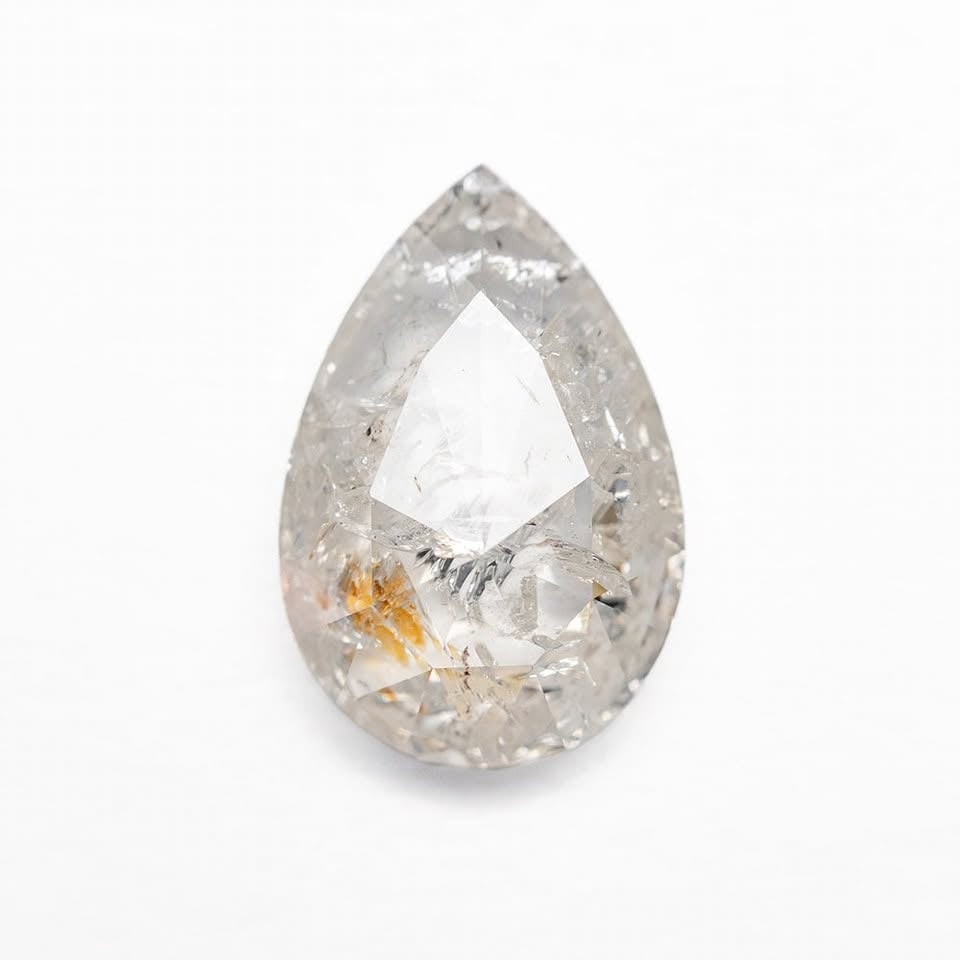
An inclusion does not automatically mean a diamond will look unattractive to the naked eye. Two diamonds can have different clarity grades yet appear very similar without magnification.
This is one reason clarity should be considered along with cut, color, carat weight, appearance, and budget rather than viewed as a simple search for the highest possible grade. Clarity matters, but it is only one part of the larger picture.
Inclusions Can Be Like a Gemstone’s Fingerprint
Because the location and combination of inclusions can be distinctive, they may also help identify an individual gemstone.
GIA explains in its discussion of diamond clarity that gemologists can use inclusions as identification tools. The unique combination of clarity characteristics within a diamond can function somewhat like a fingerprint.
That makes inclusions interesting for a reason beyond grading. Instead of viewing every internal characteristic only as a flaw, it can also be understood as part of what makes that particular natural stone unique.
Emeralds Are a Great Example of Accepted Inclusions
Emeralds demonstrate especially well why inclusions should not be judged exactly the same way across every gemstone.
Unlike diamonds, fine emeralds commonly contain inclusions that may be visible without magnification. GIA’s Emerald Buyer’s Guide notes that inclusions are typically expected in emeralds and that eye-clean emeralds are particularly rare.
Emerald inclusions are sometimes described as an internal jardin, the French word for garden. GIA’s emerald quality guidance explains that these inclusions may have mossy or garden-like appearances.
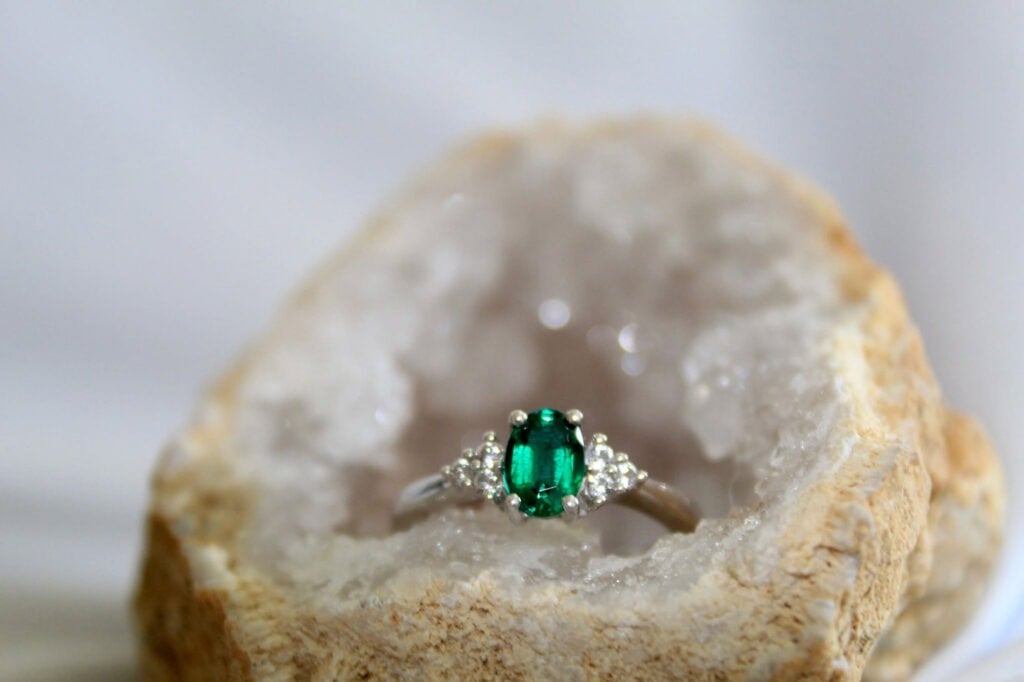
For many people, that internal landscape becomes part of an emerald’s character rather than something that automatically takes away from its beauty.
However, there is still a balance. Heavy inclusions can affect transparency, appearance, durability, and ultimately value. The important point is that the standards used to evaluate clarity in one gemstone should not automatically be applied to another.
Some Inclusions Actually Create Beautiful Optical Effects
Perhaps the clearest example of an inclusion being something other than a flaw is found in phenomenal gemstones, where internal structures can create visible effects.
One of those effects is asterism, the star-like pattern seen in star sapphires and star rubies. GIA’s research into optical effects in phenomenal gemstones explains that fine, needle-like inclusions known as silk can create the star effect in corundum when they are properly oriented within the gemstone.
Another effect is chatoyancy, commonly known as the cat’s-eye effect. Parallel internal structures can reflect light in a concentrated band across the surface of a properly cut gemstone, producing a line that appears to move as the stone or light source moves.
In these gems, the inclusion is not simply tolerated. It is essential to the visual effect that makes the stone special, which shows why inclusions are not always drawbacks.
Inclusions Can Add Character
Not every inclusion creates a dramatic star or cat’s-eye, but some can still contribute to the character of a gemstone, especially when viewed alongside other natural features.
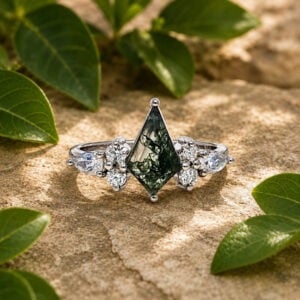
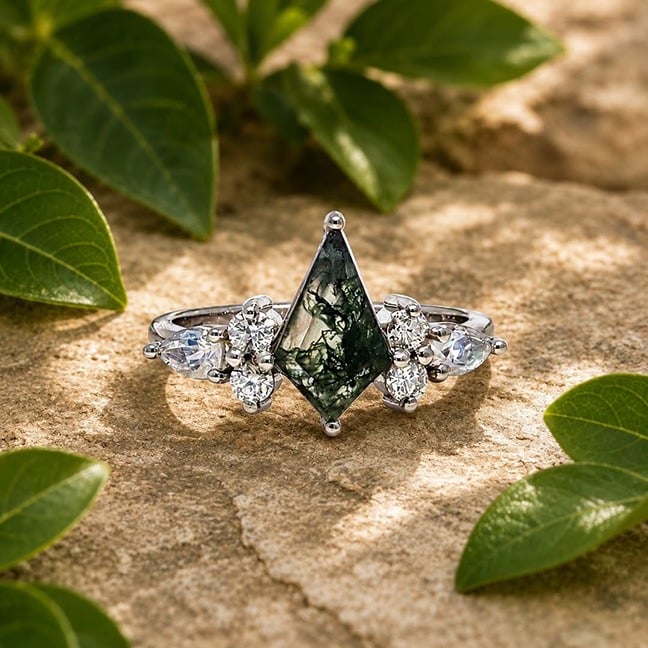
This is particularly noticeable in stones such as emeralds, quartz, and other colored gemstones where internal crystals, needles, color patterns, or natural growth features may be visible.
GIA has even documented tree-like inclusions in emeralds that form intricate branching patterns inside the stone. Features like these demonstrate how complex and visually interesting the internal world of a gemstone can be.
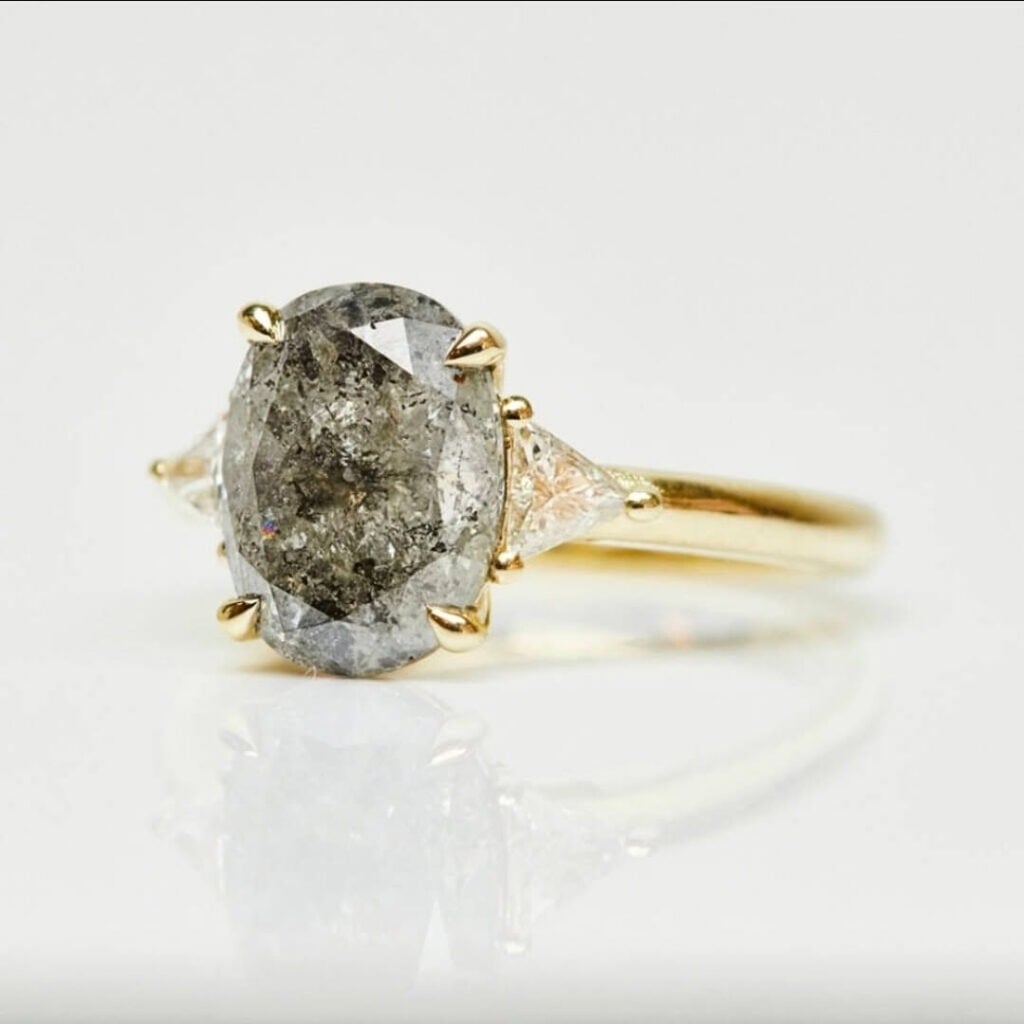
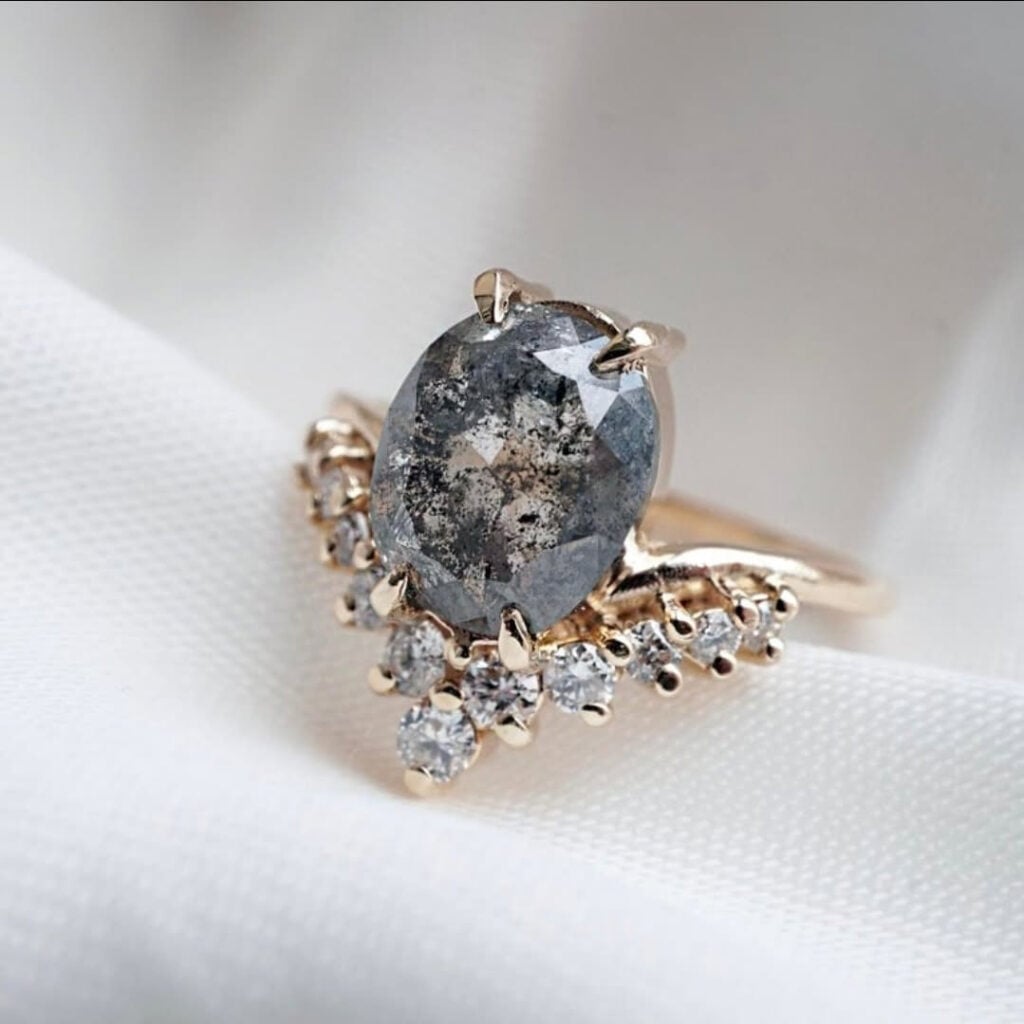
For someone who appreciates naturally distinctive jewelry, those characteristics may be part of the appeal.
Rather than owning a gemstone that looks identical to every other stone, the wearer has something with its own internal pattern. That individuality is part of what makes inclusions appealing to some people.
Inclusions Can Add Character
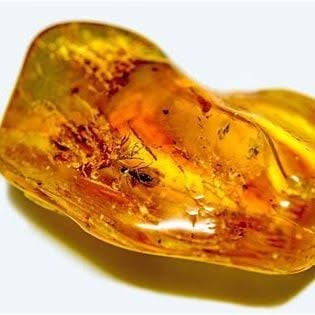
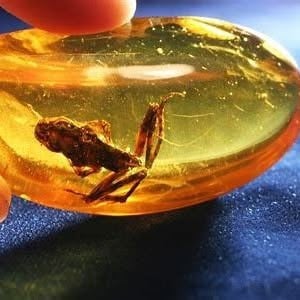
Amber offers one of the most fascinating examples of inclusions. Because amber began as sticky tree resin, small insects, plant material, or other organic matter could become trapped before the resin hardened and fossilized over time.
These inclusions are not considered flaws in the same way an unwanted fracture might be. In fact, preserved insects or plant matter can make a piece of amber especially interesting because they provide a glimpse into an ancient environment.
That makes amber a great reminder that an inclusion can sometimes be the most distinctive and memorable part of the piece.
When Can an Inclusion Be a Concern?
Although inclusions are not automatically bad, that does not mean they should always be ignored. Their type, size, position, and severity matter, and the key is to judge them in context.
A small internal crystal may have little effect on the appearance or durability of a gemstone. A significant fracture that reaches the surface may deserve considerably more attention, particularly in a ring that will be worn frequently and exposed to everyday impact.
Inclusions can also affect transparency. A large number of inclusions may make a stone appear cloudy or reduce the amount of light that travels through it.
With diamonds, inclusion characteristics contribute to the clarity grade and can influence value. With colored gemstones, the relationship can be different because some degree of inclusion may be expected.
The question is therefore not simply, “Does this gemstone have an inclusion?”
A better question is, “How does this particular inclusion affect this particular gemstone?”
Different Gemstones Should Be Judged Differently
One of the biggest mistakes when looking at gemstone clarity is expecting every stone to look like a flawless diamond.
Different gemstone varieties naturally form under different conditions and commonly display different types and amounts of inclusions.
A visible inclusion in an emerald may be much more expected than the same degree of visibility in another gemstone. Fine needles inside a star sapphire may actually be responsible for the feature that makes the gemstone desirable.
This is why gemstone quality cannot always be reduced to a simple rule that fewer inclusions equal a better stone. Color, cut, transparency, durability, rarity, optical effects, treatments, and the overall appearance of the gemstone all play a role.
Natural Does Not Automatically Mean Included
It is also important not to assume that seeing an inclusion automatically proves a gemstone is natural.
Laboratory-grown gemstones can contain internal features as well, and some may resemble characteristics seen in natural stones. Conversely, some natural gemstones can appear remarkably clean.
Professional gemologists examine numerous characteristics when identifying a gemstone. GIA’s colored stone analysis process may involve microscopic examination along with spectroscopy, chemical analysis, and other testing when necessary to determine whether a stone is natural, laboratory-grown, or treated.
Inclusions can give valuable evidence, but they are one part of a much larger picture.
Look at the Whole Gemstone
When choosing a gemstone, it can be tempting to focus on a clarity grade or immediately reject anything with a visible inclusion.
Instead, look at the entire stone.
Does the inclusion interfere with its beauty? Does it affect durability? Is it noticeable without magnification? Is it typical for that particular type of gemstone? Does it contribute an interesting pattern or optical effect?
Most importantly, do you love the way the gemstone looks?
So, are gemstone inclusions always a bad thing? Not necessarily. Some may affect clarity or durability, while others add character, help identify a stone, or create beautiful optical effects. The key is to judge each inclusion in context and appreciate what it reveals about the gemstone.
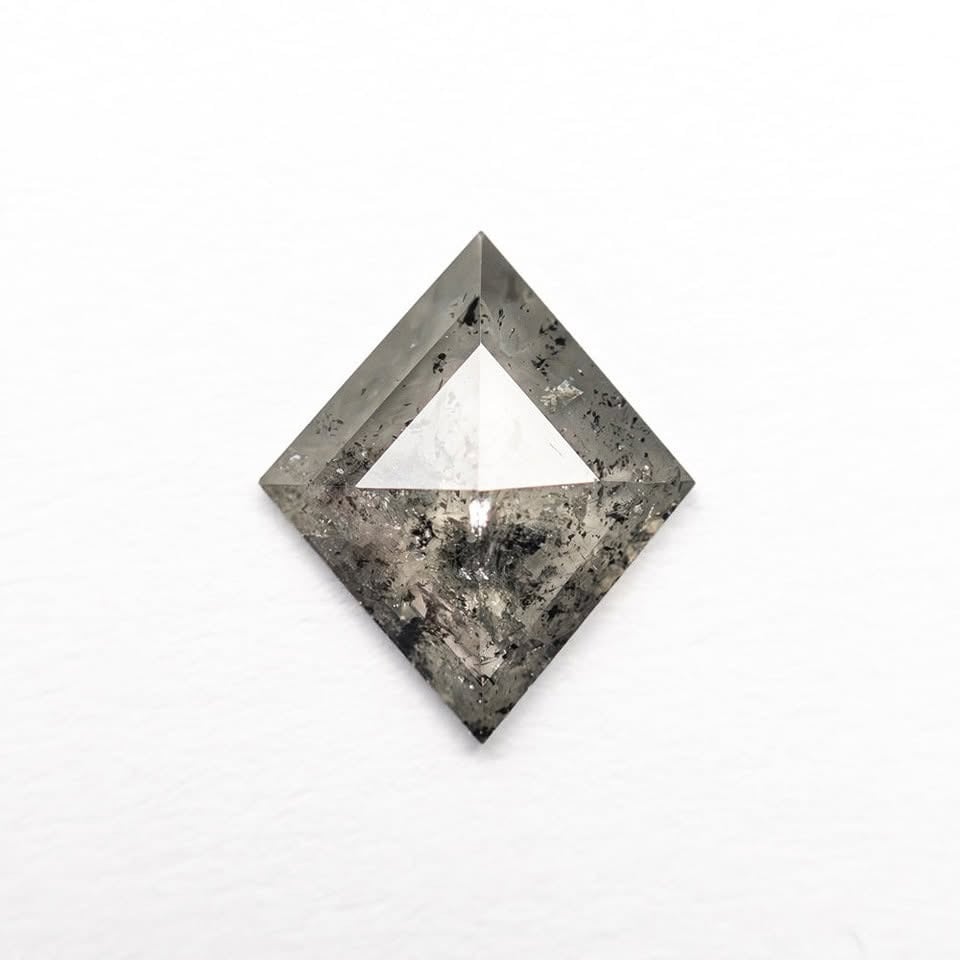
Inclusions are part of the fascinating natural world inside many gemstones. Some affect quality and value, while others help tell a gemstone’s story, distinguish it from another stone, or create an effect that would not exist without them.
At Hendrickson’s Fine Jewelry, we can help you look beyond a gemstone’s basic specifications and understand the characteristics that make each stone unique. Whether you are choosing a diamond, emerald, sapphire, or another gemstone, understanding what you are seeing can help you choose jewelry you will appreciate for years to come.