Gemstones are often chosen for their color, sparkle, or personal meaning. Still, if you plan to wear a piece of jewelry regularly, there is another important consideration: how well will the gemstone hold up to everyday life?
Some gemstones can tolerate frequent wear remarkably well, while others are more susceptible to scratches, chips, heat, or sudden impacts. This is why the type of jewelry, the setting, and how often you plan to wear it should all be considered when choosing a stone. That does not mean delicate gemstones should be avoided.
With that in mind, October’s two birthstones offer a clear example. Opal and tourmaline are both beautiful choices, but they have very different durability characteristics.
Gemstone Durability Is About More Than Hardness
You may have heard gemstones described according to the Mohs scale of hardness, which ranks minerals according to their resistance to scratching. Diamond sits at the top of the scale at 10, while softer materials fall lower on the scale.
However, hardness and durability are not exactly the same thing, and that distinction matters when choosing jewelry.
According to the Gemological Institute of America (GIA), gemstone durability involves three important characteristics: hardness, toughness, and stability. Hardness refers to resistance to scratching and abrasion, toughness describes resistance to breaking and chipping, and stability refers to how well a gemstone withstands factors such as heat, light, chemicals, and changes in temperature or humidity.
This is why simply looking at a gemstone’s Mohs number does not tell you everything you need to know about how it will perform in jewelry.
Diamond: Extremely Hard, But Not Indestructible
Diamond ranks 10 on the Mohs scale, making it exceptionally resistant to scratching and abrasion. That durability is one reason diamonds are so commonly used in engagement rings and other jewelry intended for frequent wear. Even so, diamonds are not indestructible.
As GIA explains when discussing gemstone hardness, hardness describes resistance to scratching, but that is different from a stone’s ability to resist breaking. Because of a diamond’s crystal structure, a sufficiently hard impact in a vulnerable area can still cause it to chip or fracture.
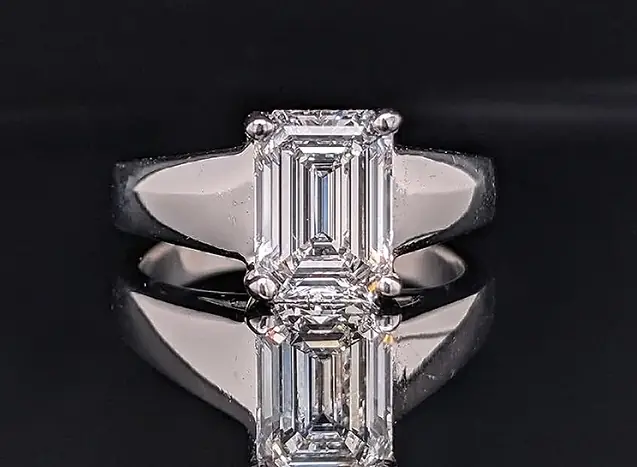
Even with a highly durable gemstone, it is wise to remove fine jewelry before activities that could expose it to heavy impacts. That same idea helps explain why some other durable stones are especially well suited to regular wear.
Ruby and Sapphire: Excellent for Everyday Wear
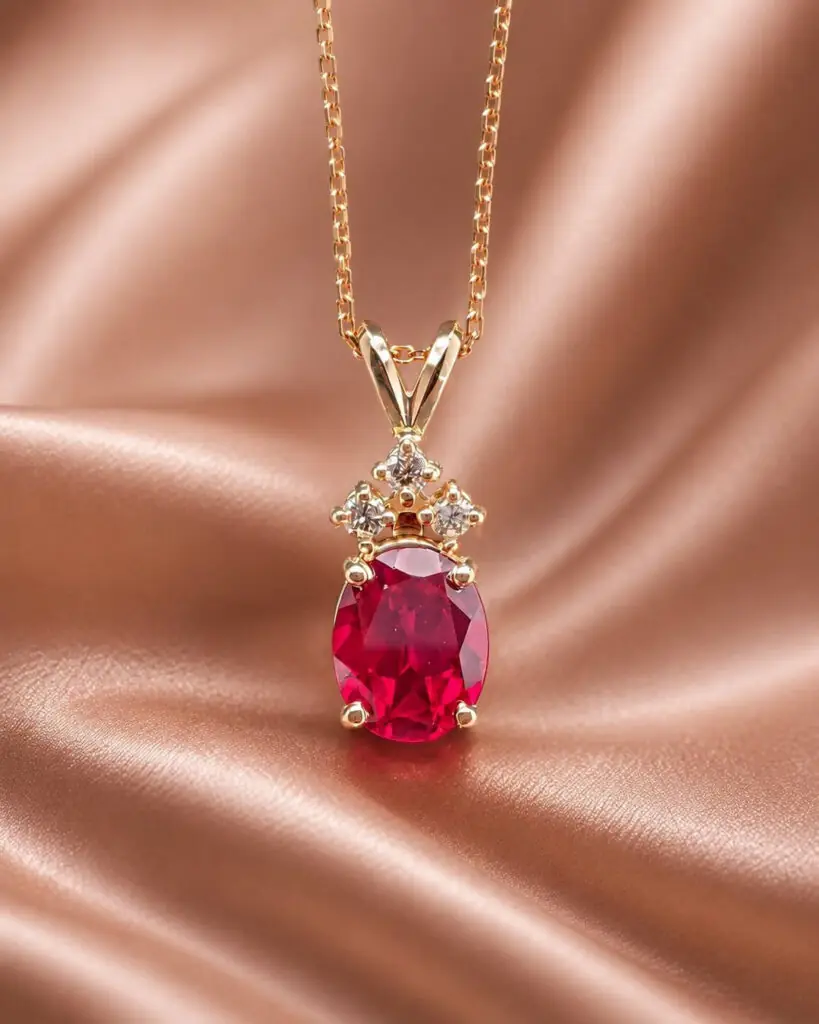
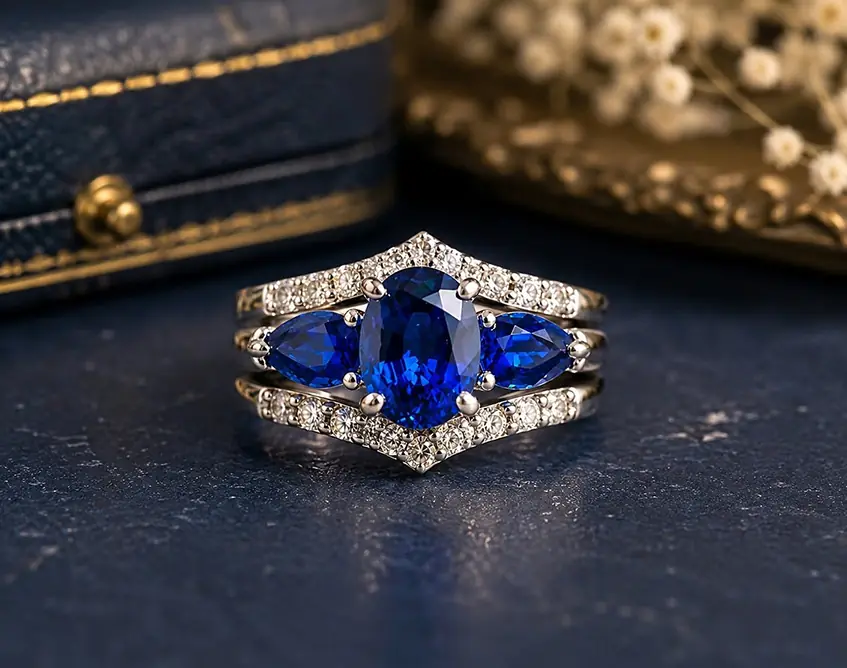
Ruby and sapphire are both varieties of the mineral corundum and rank 9 on the Mohs scale.
Their durability goes beyond their resistance to scratching. GIA’s guidance on sapphire care notes that corundum has excellent toughness and does not have cleavage, making ruby and sapphire especially well suited for jewelry that may be worn regularly.
For someone looking for a colored gemstone for an engagement ring or another frequently worn ring, ruby and sapphire are among the strongest traditional choices. Other stones can also offer a good balance between beauty and durability.
Spinel and Aquamarine: Durable With Reasonable Care
Several colored gemstones offer a good balance between beauty and durability, and spinel and aquamarine are two strong examples.
Spinel ranks 8 on the Mohs scale and has good toughness. According to GIA’s spinel care recommendations, its durability makes it suitable for many types of jewelry.
Aquamarine ranks approximately 7.5 to 8 and is another relatively durable gemstone. GIA notes that aquamarine can be worn in many types of jewelry, although it should still be protected from scratching and hard knocks.
Both can work well in rings, earrings, pendants, and other jewelry, although normal care is still important.
Emerald: Hard, But It Needs More Care
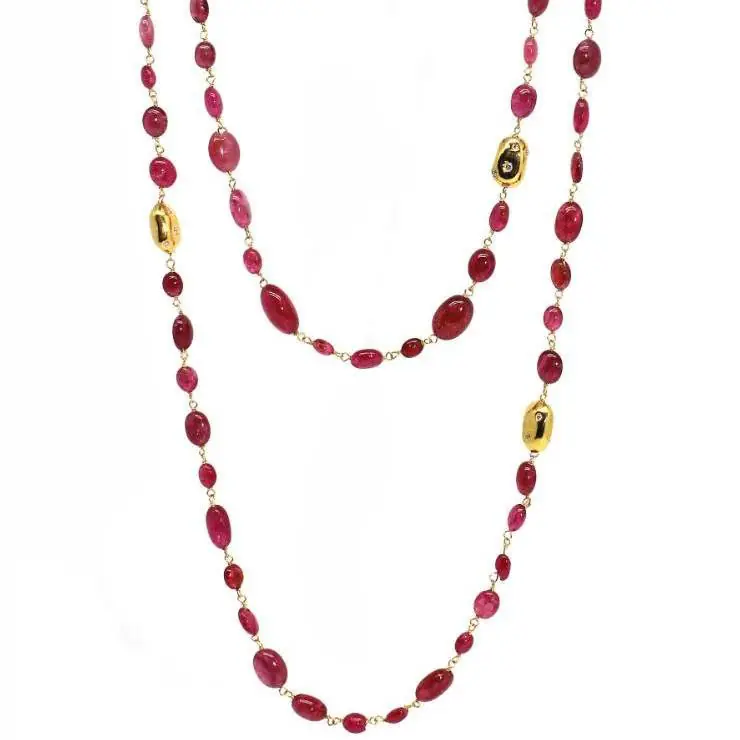
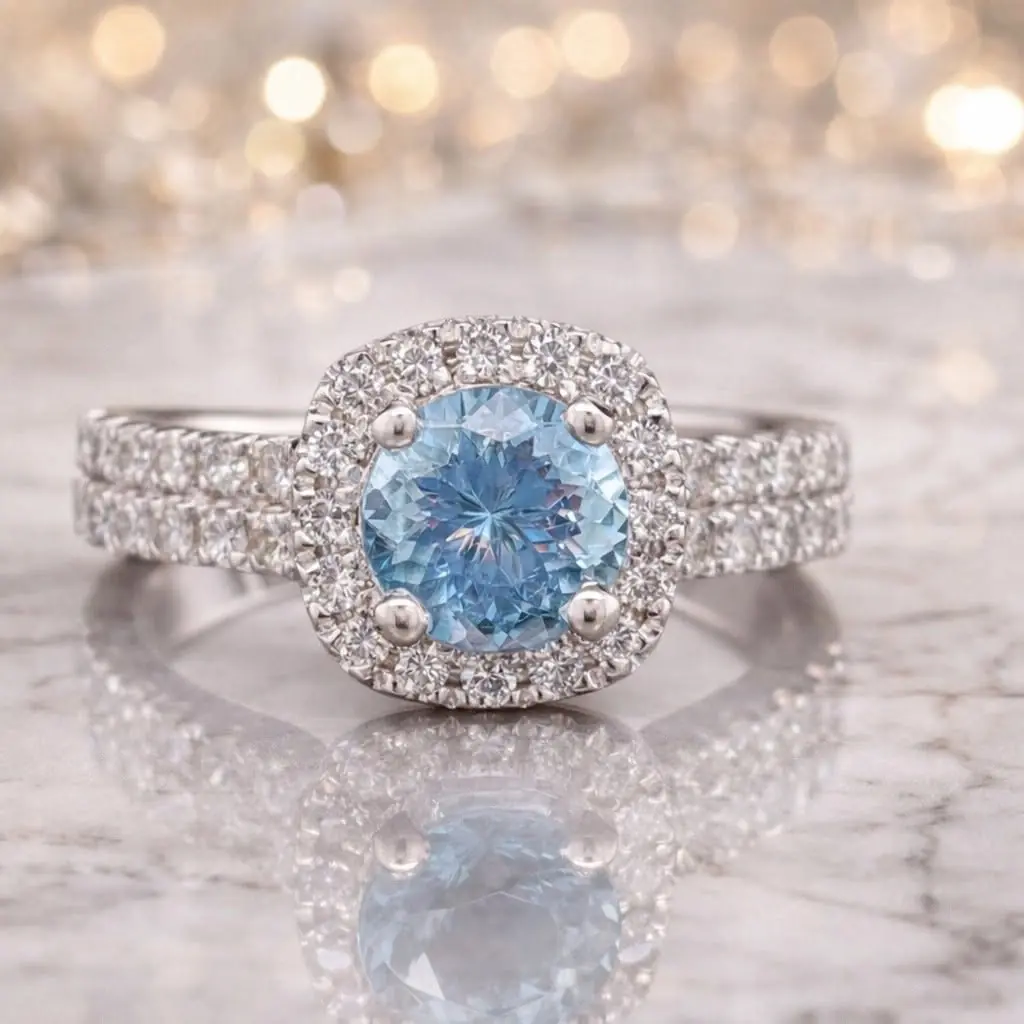
Emerald is a great example of why hardness alone can be misleading. Although its Mohs rating is fairly high, its overall durability calls for more care.
Emerald ranks approximately 7.5 to 8 on the Mohs scale, but GIA’s emerald care guidance describes its toughness as fair to good and recommends greater care than you might expect simply from looking at its hardness rating.
Natural emeralds commonly contain inclusions and fractures, and many are treated with oils or resins to improve their appearance. Those characteristics can make them more vulnerable to damage from impact, excessive heat, or certain cleaning methods.
Emeralds can certainly be worn in rings, but people who are particularly hard on their hands may want to consider a protective setting or remove the ring during strenuous activities.
Tourmaline: October Color With Moderate Durability
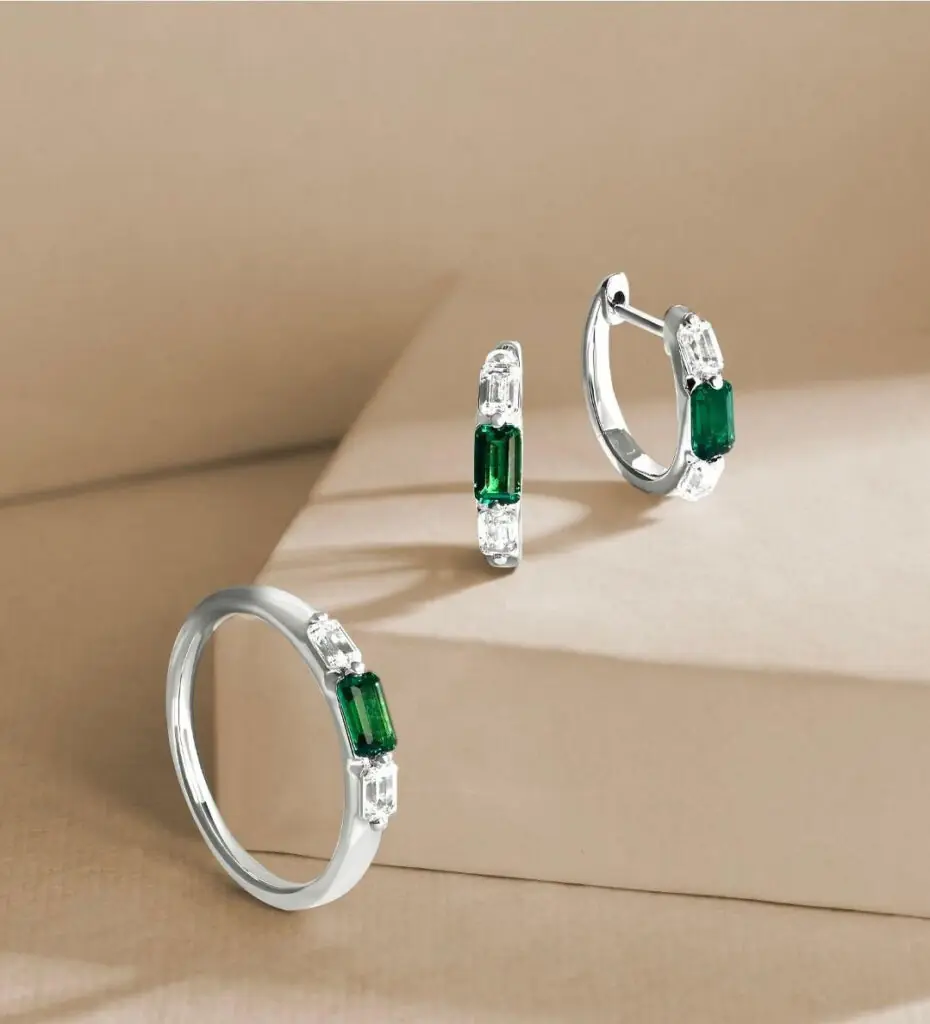
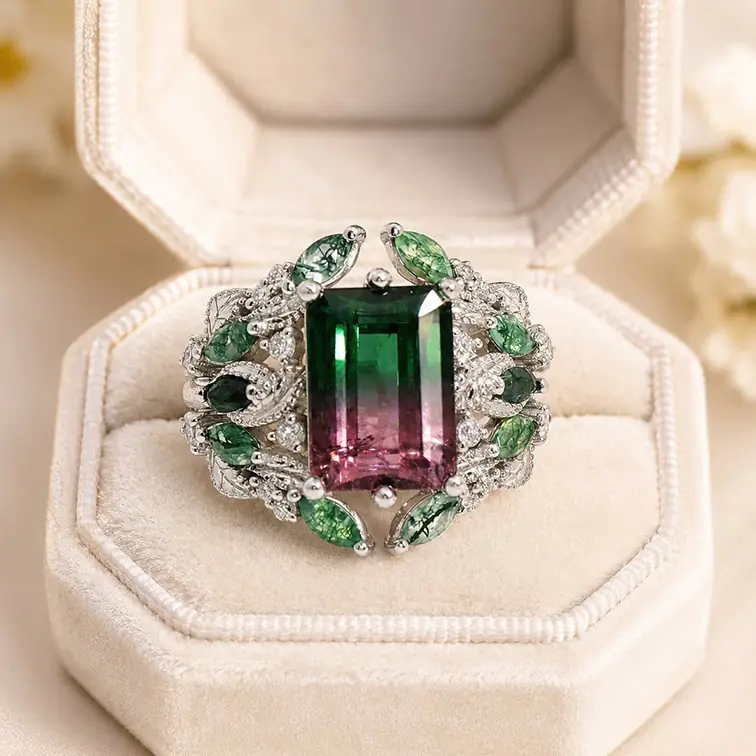
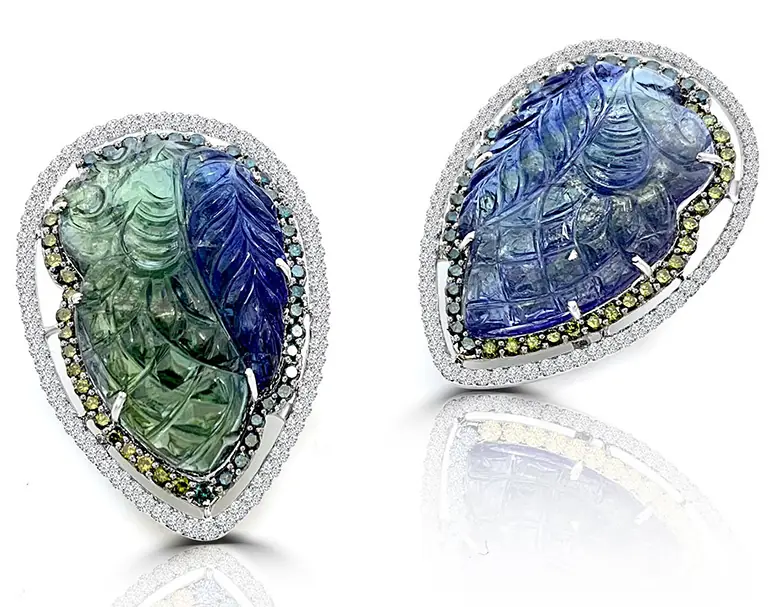
One of October’s birthstones, tourmaline, comes in an extraordinary variety of colors.
Tourmaline ranks approximately 7 to 7.5 on the Mohs scale. According to GIA, tourmaline has fair toughness and is generally stable when exposed to light and chemicals, although high heat and sudden temperature changes may damage the stone.
Tourmaline can be worn in rings, earrings, necklaces, and bracelets, but it is better suited to pieces that are not exposed to frequent hard knocks. A regularly worn tourmaline ring deserves a little more attention than a ruby or sapphire ring.
Opal: Beautiful, But Better With Extra Protection
October’s other traditional birthstone is opal, and it falls much lower on the hardness scale, which affects how it should be worn.
Opal ranges from approximately 5 to 6.5 on the Mohs scale. GIA’s opal care recommendations classify its toughness from very poor to fair and caution that opals can also be affected by heat and sudden temperature changes.
Because of this, opal can be scratched or damaged more easily than many other popular gemstones.
That does not mean opal should only stay tucked safely inside a jewelry box. It can still be enjoyed, especially in pieces that keep it farther from hard surfaces during the day.
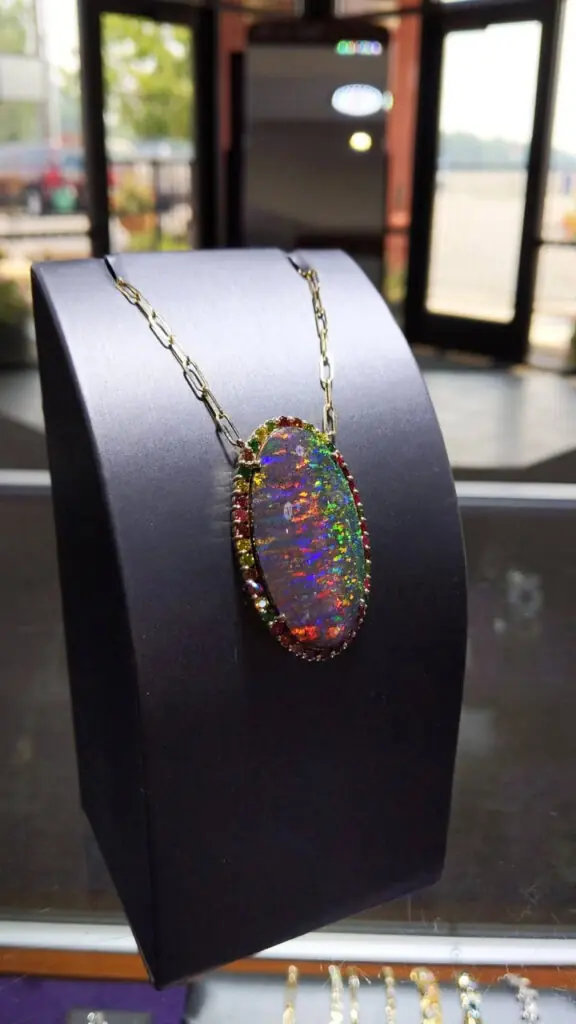
Opal earrings and necklaces can be excellent options because those pieces typically encounter fewer hard surfaces during the day. Opal rings can also be enjoyed, particularly when the gemstone has a more protective setting, and the wearer is mindful about removing the ring during activities that could damage it.
Tanzanite: Think About Where You Wear It
Tanzanite’s distinctive blue-to-violet color has made it a popular colored gemstone, but it requires a little more caution than sapphire.
According to GIA, tanzanite falls between 6 and 7 on the Mohs scale and has fair to poor toughness. Tanzanite also has cleavage, which makes it more vulnerable to breaking if struck in certain directions.
With proper care, tanzanite can be worn in different types of jewelry. For frequent wear, however, earrings and pendants generally expose the gemstone to fewer hard knocks than a ring.
Pearls Need a Different Kind of Care
Pearls require an entirely different approach to everyday wear and care.
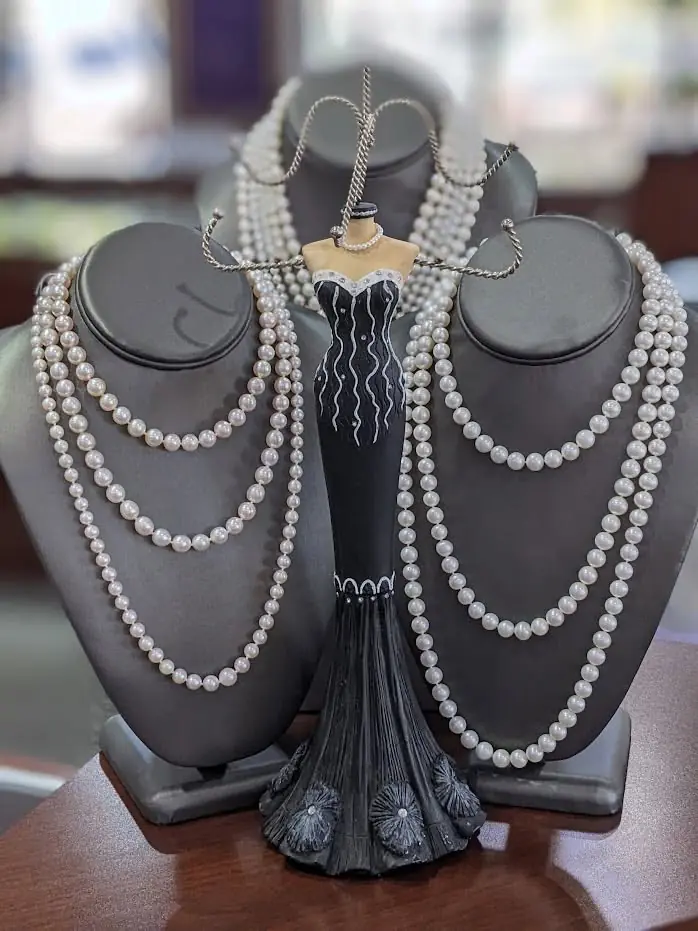
The Gemological Institute of America places pearls at only 2.5 on the Mohs scale, which means their surfaces can be scratched much more easily than most traditional gemstones. Pearls can also be affected by perfume, hairspray, cosmetics, perspiration, and other chemicals.
Pearl earrings and necklaces can still be worn regularly with proper care. Applying cosmetics, perfume, and hairspray before putting on pearls can help reduce unnecessary exposure, and wiping them gently after wearing can help protect their surfaces.
Rings, Earrings, or Necklaces? The Type of Jewelry Matters
The durability of the gemstone is only part of the decision, because how you wear it matters too. The type of jewelry can change how much contact the stone gets each day, and that is why some styles are better suited to certain gems.
Rings usually encounter more impact than almost any other type of jewelry. Think about how often your hands come into contact with countertops, desks, doors, bags, steering wheels, and countless other surfaces during an average day.
Bracelets can also experience considerable contact with hard surfaces.
Earrings, on the other hand, are generally much more protected. This makes them a great place to enjoy softer or more delicate gemstones.
Necklaces and pendants are also less likely to encounter hard impacts, making them another good option for gemstones that require a little more care.
So, a gemstone that may not be ideal for a ring you plan to wear around the clock could still be an excellent choice for a pendant, earrings, or special-occasion piece. The key is matching the stone to the way you plan to wear it.
Choose a Gemstone That Fits Your Lifestyle
There is no single gemstone that is right for everyone, so it helps to match the stone to your lifestyle. Start by considering how often you wear jewelry and how much care you want to give it, then narrow your choices based on durability and how you plan to wear each piece.
If you rarely remove your rings and lead an active lifestyle, durability may be one of your highest priorities. Diamond, ruby, sapphire, spinel, and other durable gemstones may be especially appealing.
If you are choosing earrings, a necklace, or jewelry you plan to wear more selectively, you may have much more flexibility to enjoy gemstones such as opal, pearl, emerald, or tanzanite.
The gemstone itself, its setting, the type of jewelry, and the way you plan to wear it all matter, so weigh each one carefully before you decide. The best choice is the one that fits both your lifestyle and the level of care you are willing to give it. When you choose with both beauty and durability in mind, you can enjoy a gemstone that suits you well for everyday wear.
At Hendrickson’s Fine Jewelry, we can help you compare gemstones and jewelry styles so you can choose a piece that is not only beautiful, but also suited to the way you plan to enjoy it. Visit us to find the right balance of beauty, durability, and everyday wear, and leave with greater confidence in your choice.
References
- GIA — More Than the Mohs Scale: Understanding Gem Durability
- GIA — Mohs Scale: Gem and Mineral Hardness
- GIA — Sapphire Care and Cleaning Guide
- GIA — Spinel Care and Cleaning Guide
- GIA — Aquamarine Care and Cleaning Guide
- GIA — Emerald Care and Cleaning Guide
- GIA — Tourmaline Care and Cleaning Guide
- GIA — Opal Care and Cleaning Guide
- GIA — Tanzanite Care and Cleaning Guide
- GIA — Pearl Care and Cleaning Guide
- GIA — October Birthstones: Opal & Tourmaline