When choosing a ring or designing a custom piece of jewelry, most people naturally focus on the gemstone, metal, and overall appearance. However, the way the stone is secured is just as important.
The setting influences how much of the gemstone can be seen, the manner in which light interacts with it, how easily the jewelry may snag, and how well the stone is protected during everyday wear. Some settings create an open, delicate appearance, while others provide a smoother, lower-profile design.
Understanding the differences may help you choose jewelry that fits both your personal style and your daily routine.
What Is a Jewelry Setting?
A jewelry setting is the method used to hold a diamond or gemstone securely within a ring, pendant, bracelet, earring, or other piece of jewelry.
The best setting depends on different factors, including:
- The size, shape, and durability of the gemstone
- How frequently the piece will be worn
- The wearer’s work, hobbies, and activity level
- The desired amount of sparkle
- The overall style of the jewelry
- Future maintenance or resizing needs
Here are some of the most common jewelry setting styles and what makes each one unique.
Prong Setting
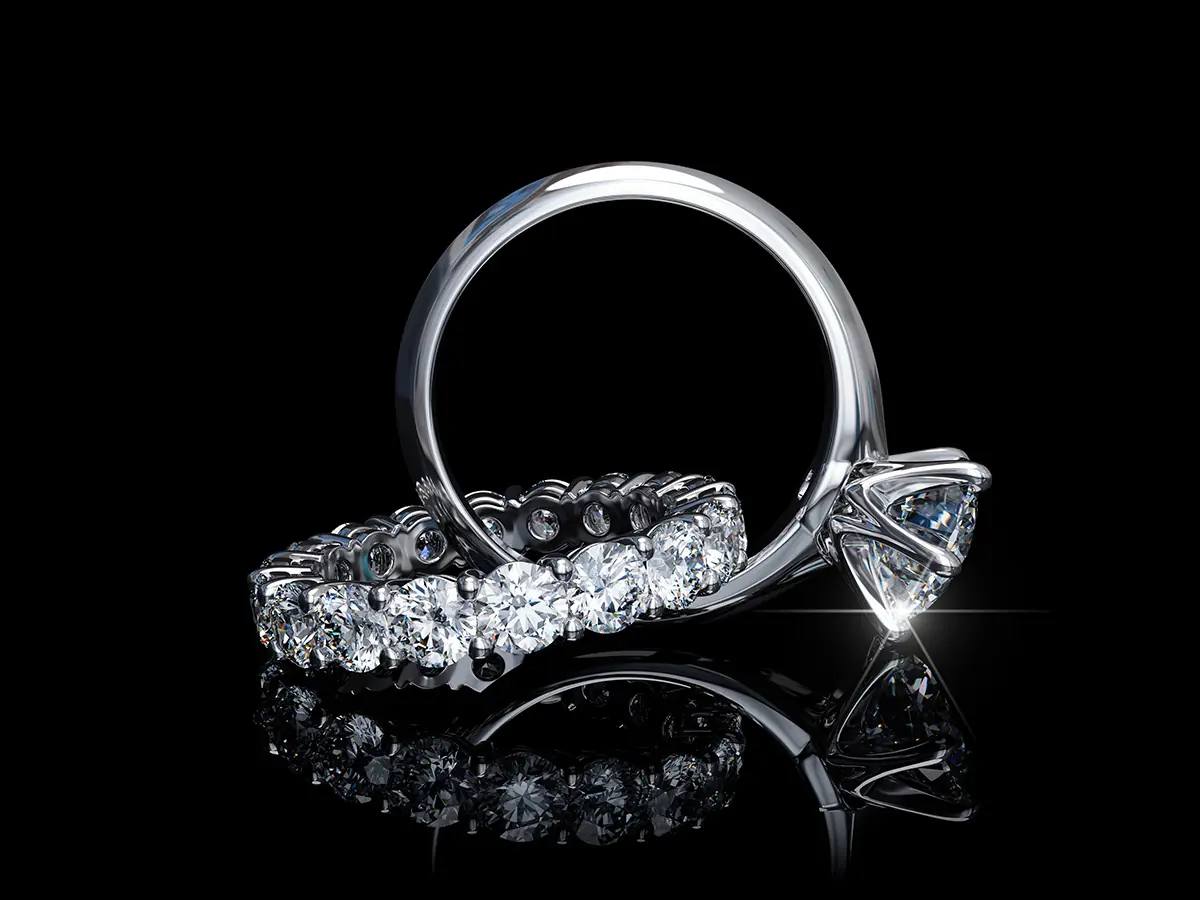
The prong setting is one of the most recognizable setting styles, especially for engagement rings. Small metal supports extend upward and curve over the edges of the gemstone to hold it securely in place. It offers an open look that keeps the stone visible while still securing it in place, balancing visibility with everyday security. Because the stone is highly visible, this style also requires regular attention to keep the prongs in good condition.
Most center stones are held by four or six prongs. Four prongs leave more of the gemstone visible, while six prongs provide additional points of contact and can help emphasize the round shape of a round diamond.
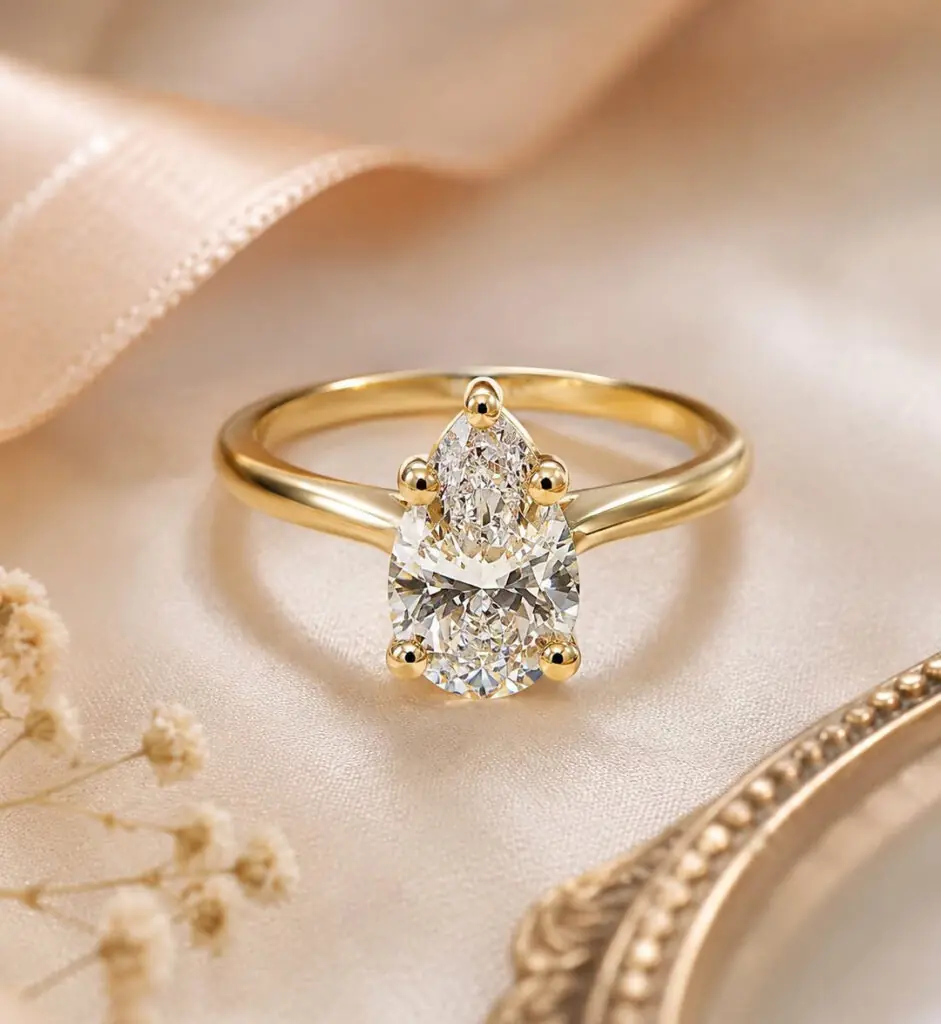
Because less metal covers the stone, a prong setting allows the gemstone to remain highly visible from several angles. This open design is one reason prong settings are commonly chosen for diamonds and other stones where brilliance is a priority.
However, raised prongs can occasionally catch on clothing, blankets, hair, or gloves. Over time, the metal can also wear down, making regular inspections important.
A prong setting may be right for you if:
- You want a classic, traditional appearance.
- You want the center stone to remain highly visible.
- Sparkle is one of your main priorities.
- You are comfortable having the prongs inspected periodically.
The Gemological Institute of America’s guide to ring settings provides additional information about four-prong and six-prong designs.
Bezel Setting
In a bezel setting, a thin rim of metal surrounds all or part of the gemstone’s outer edge. A full bezel encircles the entire stone, while a partial bezel leaves portions of the sides visible. It creates a smooth, streamlined look while still securing the stone in place, balancing protection with visibility. This added coverage can make the stone feel more enclosed than a prong setting.
Bezel settings provide a smooth, streamlined appearance and help protect the stone’s edges from bumps and impacts. Because there are no raised prongs around the stone, this style is also less likely to snag.
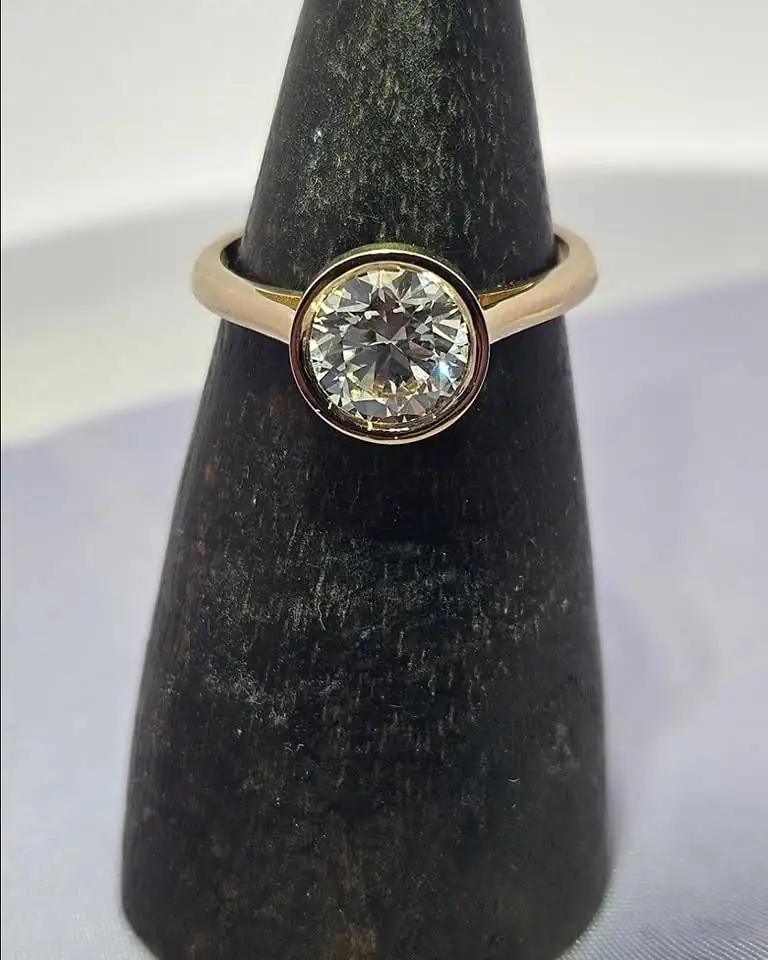
This can be a practical choice for people who work with their hands, regularly wear gloves, participate in outdoor activities, or prefer a lower-profile ring.
A bezel does cover more of the gemstone than a traditional prong setting, but it can also create a clean, modern frame around the stone.
A bezel setting may be right for you if:
- You live an active lifestyle.
- You want additional protection around the gemstone.
- You prefer a smooth, contemporary appearance.
- You do not want raised prongs catching on clothing or gloves.
According to GIA’s engagement-ring buying guide, bezel settings are among the most protective options and can be particularly useful for stones with vulnerable points or corners.
Channel Setting
A channel setting is commonly used for smaller accent stones along the band of a ring. The gemstones are placed edge-to-edge in a groove between two parallel walls of metal. It creates a smooth row of sparkle while keeping the stones secured in place. This design offers a polished look, though it can be less suitable for resizing than simpler bands.
No prongs separate the individual stones, which creates a smooth and continuous row of sparkle. Because the edges of the gemstones sit within the metal channel, the setting also provides protection and is generally less likely to snag.
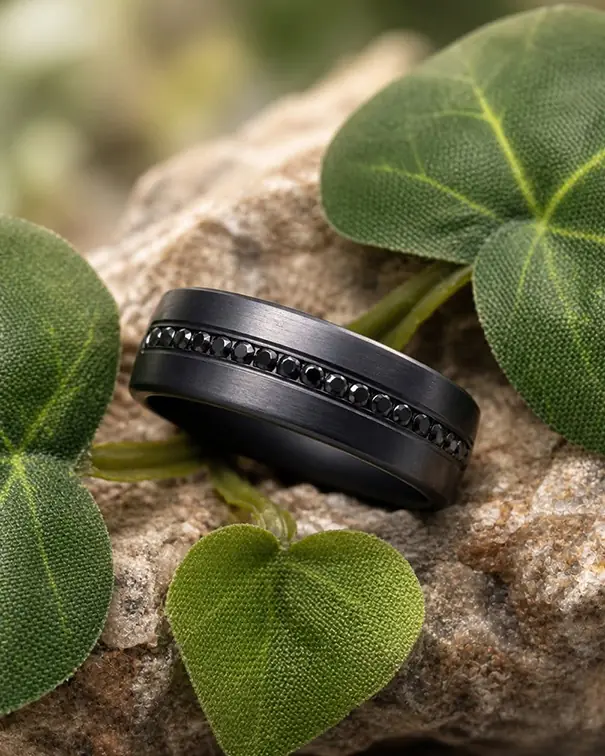
Channel settings are frequently used in wedding bands, anniversary bands, and engagement rings with diamond-accented shanks.
One consideration is that rings with channel-set stones may be more complicated to resize than plain bands. The jeweler must preserve the spacing, alignment, and security of the stones when adjusting the ring.
A channel setting may be right for you if:
- You like a smooth row of diamonds or gemstones.
- You want accent stones without visible prongs between them.
- You prefer a clean, polished appearance.
- You want a relatively snag-resistant design for everyday wear.
GIA describes a channel setting as stones placed edge-to-edge within a grooved channel, creating a protected design suitable for daily wear.
Pavé Setting
The word pavé comes from a French word meaning “paved.” In a pavé setting, numerous small diamonds or gemstones are placed close together and secured with tiny beads or portions of metal. It creates a densely sparkling surface with minimal visible metal, balancing brilliance with delicacy. The detailed construction can also call for more careful wear and maintenance.
When done well, the visible metal is minimized, making the jewelry appear as though it has been paved with continuous sparkle.
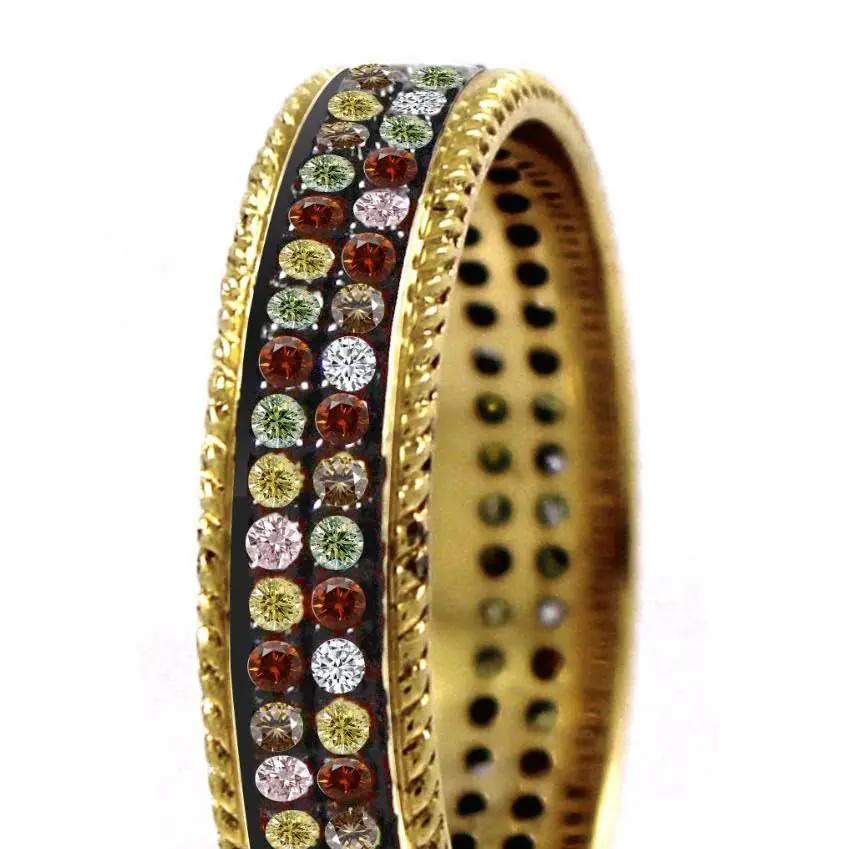
Pavé is commonly used along engagement-ring bands, around halos, and in detailed accent areas. It can add brilliance without requiring several large stones.
Because pavé involves many small gemstones and intricate metalwork, the setting should be inspected and cared for properly. Pavé placed around the very bottom of a ring can experience more friction from everyday contact against surfaces.
A pavé setting may be right for you if:
- You love maximum sparkle.
- You prefer delicate, detailed designs.
- You want the band to complement the center stone.
- You are willing to take extra care with intricate jewelry.
GIA explains that pavé settings use small stones placed closely together to produce the appearance of uninterrupted diamonds.
Shared-Prong Setting
A shared-prong setting is a variation of the traditional prong setting. Instead of every gemstone having a completely separate group of prongs, neighboring stones share some of the same prongs. It reduces visible metal while keeping the stones secured in place, balancing openness with support. This shared structure can create a bright look while offering less coverage than a channel setting.
This reduces the amount of visible metal between the gemstones and allows more of each stone to be seen. Shared-prong settings are frequently used in diamond bands, anniversary rings, and eternity-style designs.
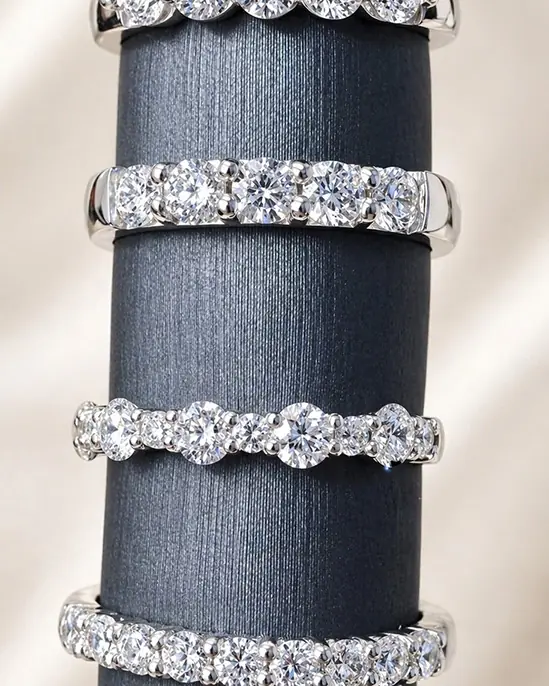
The open appearance creates plenty of sparkle, but the exposed sides of the gemstones may provide less protection than a channel setting.
A shared-prong setting may be right for you if:
- You want a bright, open row of gemstones.
- You prefer less visible metal between stones.
- Sparkle is more important than having a completely smooth profile.
- You do not mind periodic prong inspections.
Flush Setting
In a flush setting, the gemstone is placed into the metal so that it sits nearly level with the surrounding surface. Metal is then carefully worked around the edge of the stone to hold it securely. It creates a sleek, low-profile look with minimal raised edges, balancing subtlety with security. The same low profile can also make the stone feel less prominent.
The result is a sleek, low-profile appearance without raised prongs. Flush-set stones are often used in wedding bands, men’s rings, pendants, and modern custom designs.
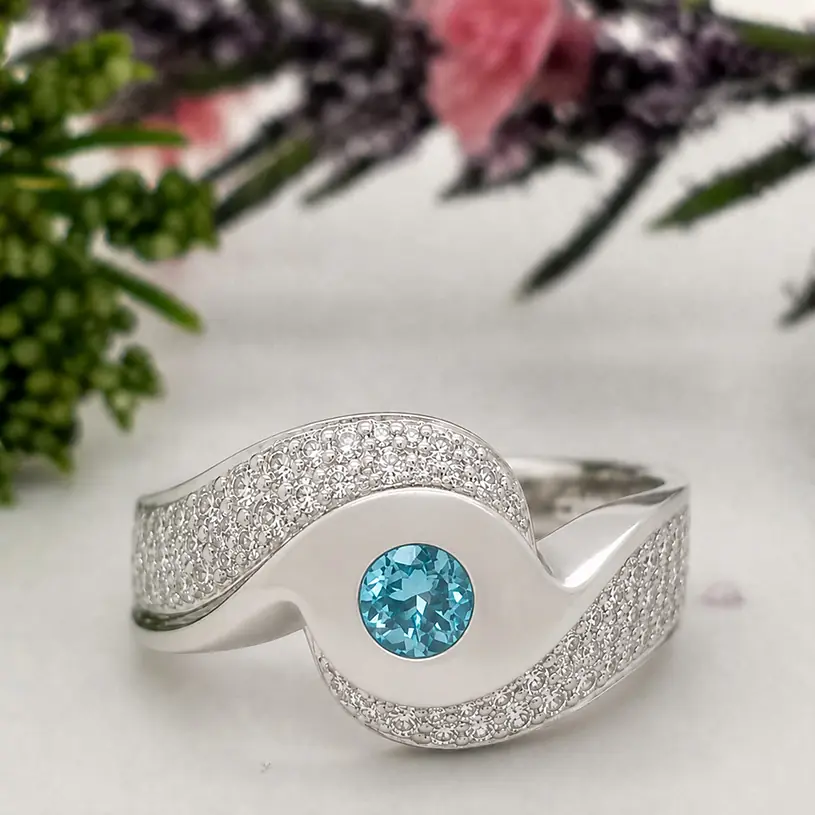
This style works particularly well when someone wants a subtle gemstone accent that will not easily catch on clothing.
A flush setting may be right for you if:
- You prefer understated jewelry.
- You want a smooth, low-profile design.
- You frequently work with your hands.
- You like modern or minimalist styles.
Jewelers of America notes that a flush setting allows gemstones to be placed across the surface of jewelry without visible prongs or channels.
Bar Setting
A bar setting places gemstones between individual vertical bars of metal. It is similar to a channel setting, but the stones are separated by bars rather than enclosed between two continuous metal walls. It creates a structured look while leaving parts of the stone edges visible, balancing structure with openness. This style gives each stone more definition than a channel setting.
This creates a structured, contemporary appearance while leaving portions of the gemstones’ sides open. Bar settings are commonly seen in wedding bands, anniversary rings, and rings with a row of accent stones.
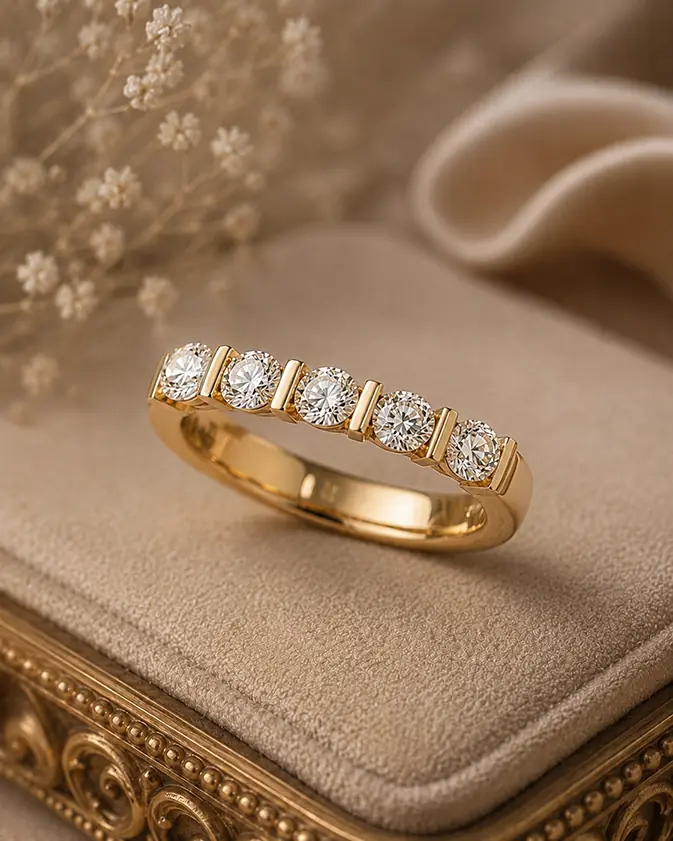
A bar setting may be right for you if:
- You like geometric or contemporary jewelry.
- You want more separation between individual stones.
- You prefer more visible gemstone edges than a channel provides
- You want a distinctive alternative to prongs.
Tension Setting
A true tension setting uses precisely engineered pressure from opposing sides of the ring to hold the gemstone securely in place. This creates the illusion that the stone is floating between the two sides of the band while allowing much of the gemstone to remain visible. The dramatic effect comes with a more specialized structure than many other settings.
Because tension settings require exact measurements and specialized craftsmanship, resizing or repairing the ring may be more complicated than with traditional settings.
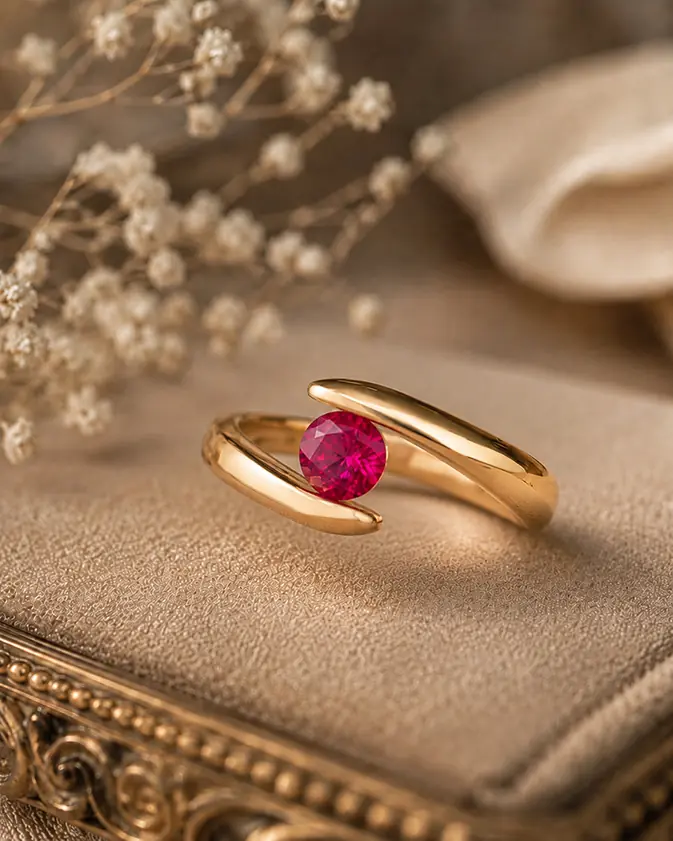
This style is best suited for someone who wants a distinctive, contemporary design and is comfortable with the additional care it may require.
A tension setting may be right for you if:
- You want an unusual, modern design.
- You like the appearance of a floating gemstone.
- You want the sides of the stone to remain visible.
- You understand that future resizing may be more complicated.
GIA explains that a tension setting holds the stone between opposing sections of precious metal, creating its distinctive floating appearance.
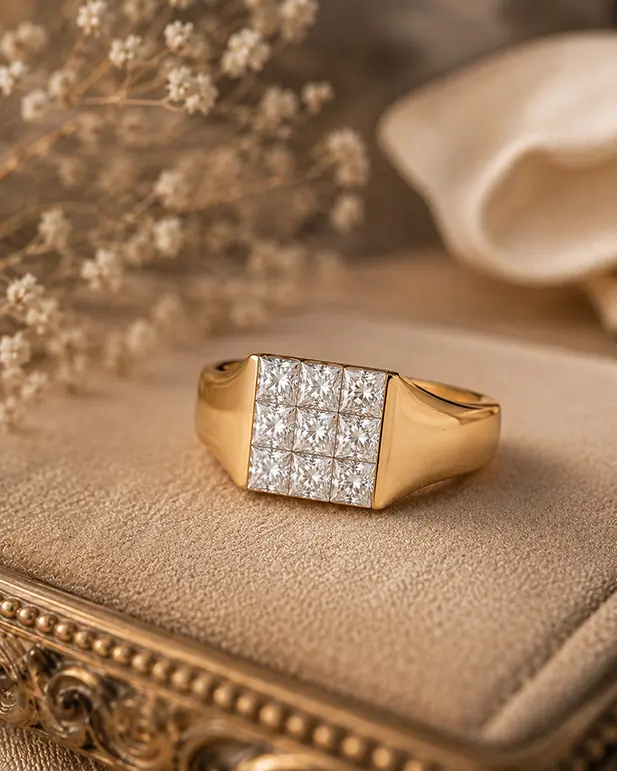
Invisible Setting
Invisible settings use specially cut gemstones that fit closely together within a hidden metal framework. With little or no visible metal between the stones, the design creates a smooth, uninterrupted surface and can make several smaller gemstones appear like one larger field of diamonds or colored stones.
This setting requires precise craftsmanship and careful wear. Because of its complex construction, repairing or replacing an individual stone may be more challenging than with other setting styles.
Choosing the right jewelry setting depends on your lifestyle, the amount of protection the piece requires, the appearance you prefer, and the level of maintenance you are comfortable with. A professional jeweler can help you compare your options and select a setting that balances beauty, security, and everyday practicality.
An invisible setting may be right for you if:
- You want a seamless surface of gemstones.
- You prefer minimal visible metal.
- You are looking for a distinctive statement design.
- The piece will not be exposed to frequent impacts or rough wear.
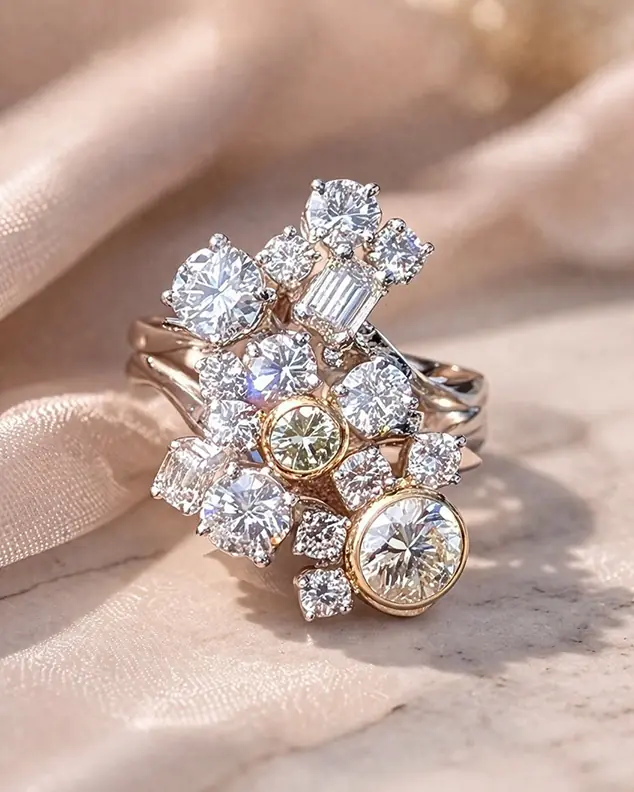
Cluster Setting
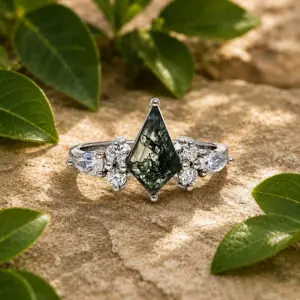
A cluster design groups several gemstones closely together to create one larger visual shape. The stones may form a flower, starburst, geometric pattern, or another decorative arrangement.
The individual gemstones within a cluster may be held with prongs, bezels, or another setting method. For that reason, “cluster” often describes the arrangement of the stones instead of one single method of securing them.
Cluster rings can create a bold appearance using several smaller stones and are often seen in vintage-inspired, floral, and custom designs.
Are Halo and Cathedral Settings Different?
Halo and cathedral are common jewelry terms, but they do not necessarily describe the exact method used to secure a gemstone.
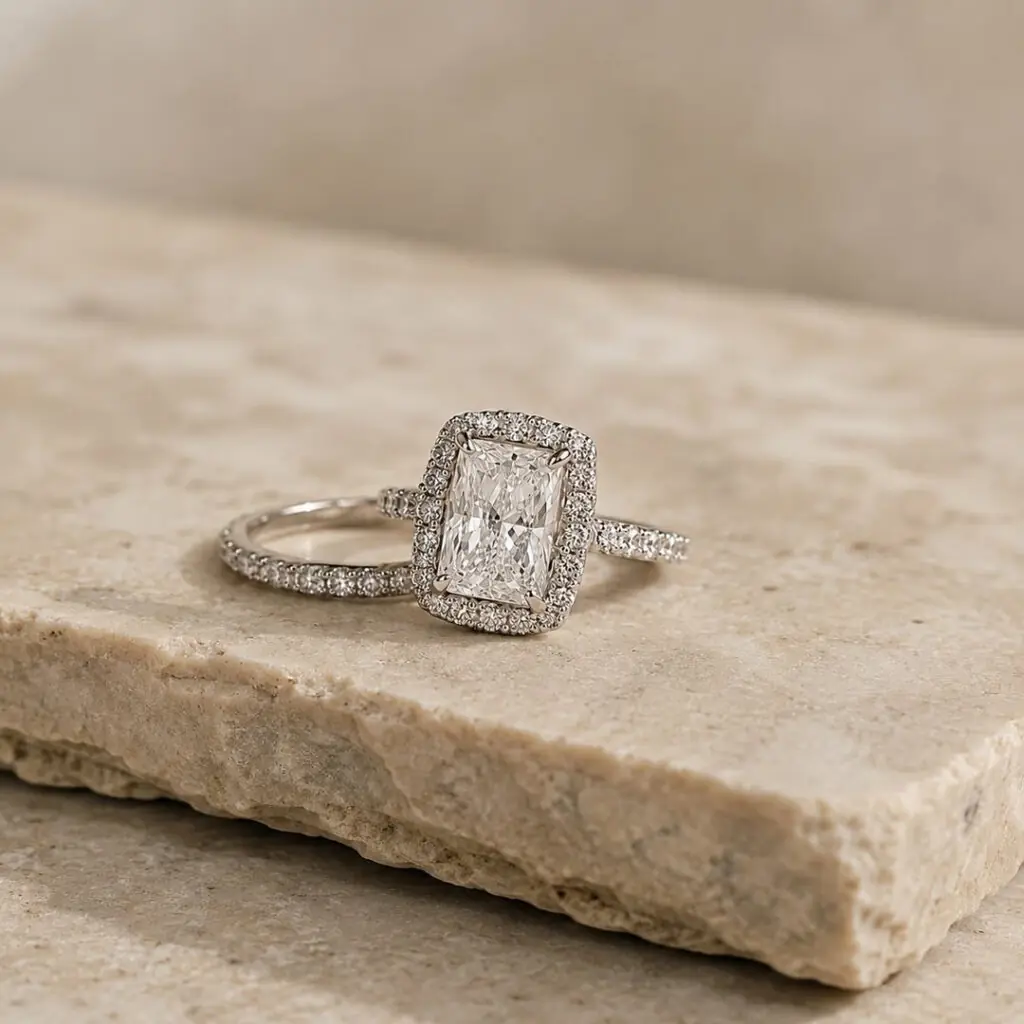
A halo is a design in which smaller stones surround a center gemstone. Those smaller stones may be secured with pavé, shared prongs, or another setting technique.
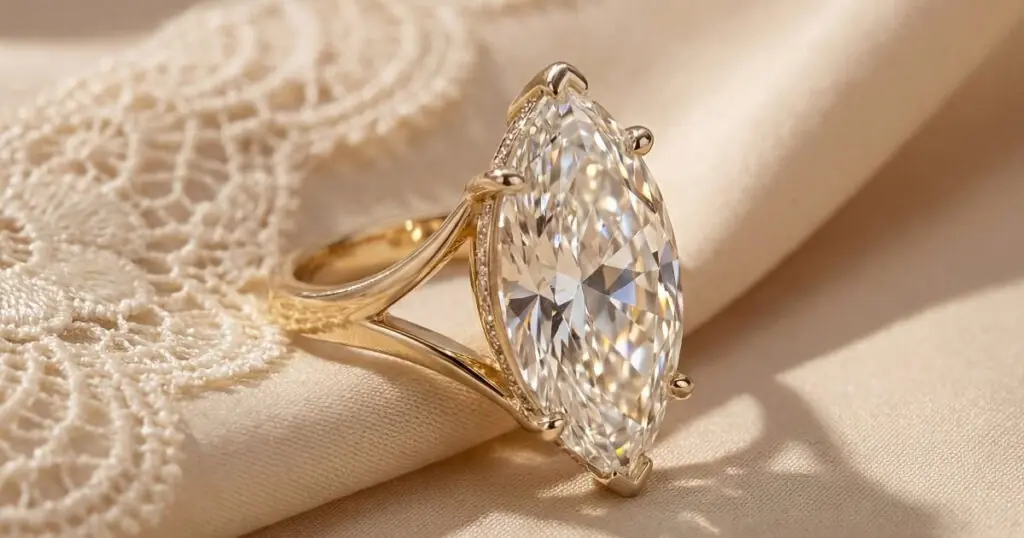
A cathedral setting describes the elevated arches of metal that rise from the ring’s band to support the center-stone mounting. The gemstone itself may still be held with prongs, a bezel, or another method.
A ring can therefore combine several styles. For example, it could feature a prong-set center stone, a pavé halo, and channel-set diamonds along the band.
How Do You Choose the Right Setting?
There is no single setting that is best for everyone. The right choice is based on your gemstone, personal style, daily activities, and how you plan to wear the jewelry.
Before choosing, consider:
- Do you work with your hands?
- Do you frequently wear gloves?
- Are you active outdoors?
- Do you prefer a raised or low-profile ring?
- Is maximum sparkle or additional protection more important?
- Could the ring need to be resized in the future?
- How much regular maintenance are you comfortable with?
The shape and condition of the gemstone also matter. Stones with sharp corners, existing chips, or unique proportions may require a setting designed specifically to protect their vulnerable areas.
Find or Create the Right Setting at Hendrickson’s Fine Jewelry
Choosing a setting is about more than appearance. It is about achieving the right balance between beauty, security, comfort, and everyday wear.
At Hendrickson’s Fine Jewelry, our experienced jewelers can help you compare setting styles, inspect an existing piece, reset a gemstone, or create a design built around your lifestyle. We offer custom jewelry design as well as in-house jewelry repair, stone setting, and prong work.
Visit Hendrickson’s Fine Jewelry at 5685 N. Glenwood Street in Garden City, Idaho, or call or text 208-853-1615 to discuss your jewelry.
If you prefer the timeless openness of prongs, the smooth protection of a bezel, the continuous sparkle of pavé, or something completely custom, our team can help you find a setting that looks beautiful and fits the way you live.
References
- Gemological Institute of America: How to Select a Round Diamond Engagement Ring
- Gemological Institute of America: Side-Stone Settings for Engagement Rings
- Gemological Institute of America: Engagement-Ring Settings That Make a Diamond Look Bigger
- Gemological Institute of America: Tips for Buying an Engagement Ring
- Jewelers of America: Ring Styles and Settings
- Hendrickson’s Fine Jewelry: Custom Jewelry
- Hendrickson’s Fine Jewelry: Jewelry Repairs