Protecting the Pieces That Matter Most
Whether it’s an engagement ring, a family heirloom, a luxury watch, or a necklace you’ve saved years to purchase, fine jewelry is often much more than an accessory. It represents milestones, memories, love, and personal achievement. Unfortunately, it can also be lost, stolen, or accidentally damaged when you least expect it.
Many people assume their homeowners or renters insurance fully protects their jewelry. In reality, standard policies have limits that might not reflect the true value of your collection. That’s why understanding jewelry insurance and the importance of a professional jewelry appraisal is essential if you want to protect what matters most.
If you’ve ever wondered whether jewelry insurance is worth it, here’s what every jewelry owner should know.
What Is Jewelry Insurance?
Jewelry insurance is designed specifically to help repair or replace valuable jewelry if it is lost, stolen, or damaged. Depending on the policy, coverage may include:
- Theft
- Accidental loss
- Accidental damage
- Fire
- Certain natural disasters
- Mysterious disappearance (when you know your jewelry is missing but aren’t sure exactly how)
Coverage varies by insurance provider, so it’s important to understand exactly what your policy includes before purchasing coverage.
Why Jewelry Appraisals Are Essential for Insurance
At Hendrickson’s Fine Jewelry, one of the most common questions we hear is, “Do I really need jewelry insurance?” The answer depends on the value of your jewelry and your individual situation. If you decide to insure a valuable piece, however, your insurance company or agent will often require a professional jewelry appraisal before issuing coverage. A jewelry appraisal is a detailed document prepared by a qualified jeweler that identifies your piece and estimates its current replacement value. This appraisal provides the information insurance companies need to determine how much coverage your jewelry should have.
A professional appraisal typically includes:
- A detailed description of the jewelry
- Metal type and purity
- Diamond or gemstone characteristics
- Measurements and weights
- Photographs
- Current replacement value
- Identifying marks or serial numbers, when applicable
Without an accurate appraisal, you could unknowingly be underinsured. For example, if your engagement ring was purchased several years ago, today’s replacement cost may be significantly higher due to increases in gold, diamond, or gemstone prices. As a result, if your insurance policy is based on an outdated value, it may not provide enough coverage to replace your jewelry after a loss.
Many insurance companies require an appraisal before issuing coverage for higher-value jewelry. They also recommend updating appraisals every three to five years to ensure your coverage reflects current market values.
At Hendrickson’s Fine Jewelry, we complete most jewelry appraisals within one to two business days after your item is dropped off. If you’re interested in having your jewelry appraised, please contact us for current pricing. We’re happy to answer your questions, help you protect your investment, and help you take the next step toward coverage.
Doesn't My Homeowners Insurance Already Cover Jewelry?
This is one of the biggest misconceptions among jewelry owners.
Most homeowners and renters insurance policies include personal property coverage, but jewelry often has lower limits than many people realize. As a result, theft coverage for jewelry is often capped unless you purchase additional protection.
For example:
- Engagement ring value: $8,000
- Standard jewelry coverage limit: $1,500
- Policy deductible: $1,000
Without additional coverage, you could be responsible for replacing thousands of dollars out of pocket.
Many jewelry owners choose to add:
- A scheduled personal property endorsement to their homeowners policy
- A separate jewelry insurance policy designed specifically for valuable jewelry
Should You Add a Rider or Purchase a Separate Jewelry Policy?
If you decide to insure your jewelry, there are generally two options to consider.
One option is to add a scheduled personal property rider (also called an endorsement) to your homeowners or renters insurance policy. Another option is to purchase a personal articles policy, a separate insurance policy designed specifically for valuable items such as jewelry, fine art, collectibles, and other personal valuables.
A personal articles policy is independent of your homeowners insurance. In many cases, if you file a claim under a personal articles policy, it won’t affect your homeowners policy. Coverage, deductibles, and claim handling vary by insurance company, so it’s a good idea to discuss both options with your insurance agent to determine which best fits your needs.
Who Should Consider Jewelry Insurance?
Jewelry insurance isn’t necessary for everyone, but it’s worth considering if you own:
- Engagement rings
- Wedding bands
- Diamond earrings
- Luxury watches
- Family heirlooms
- Custom-designed jewelry
- Colored gemstone jewelry
- High-value bracelets or necklaces
- A growing jewelry collection
If replacing one of these pieces would create a financial burden, insurance may provide valuable peace of mind.
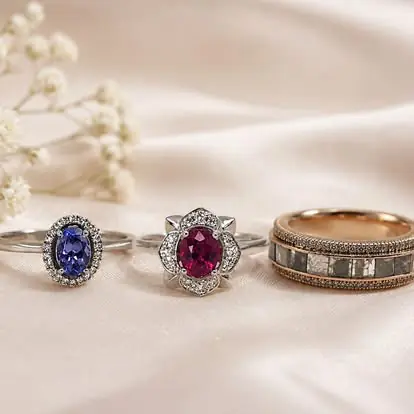
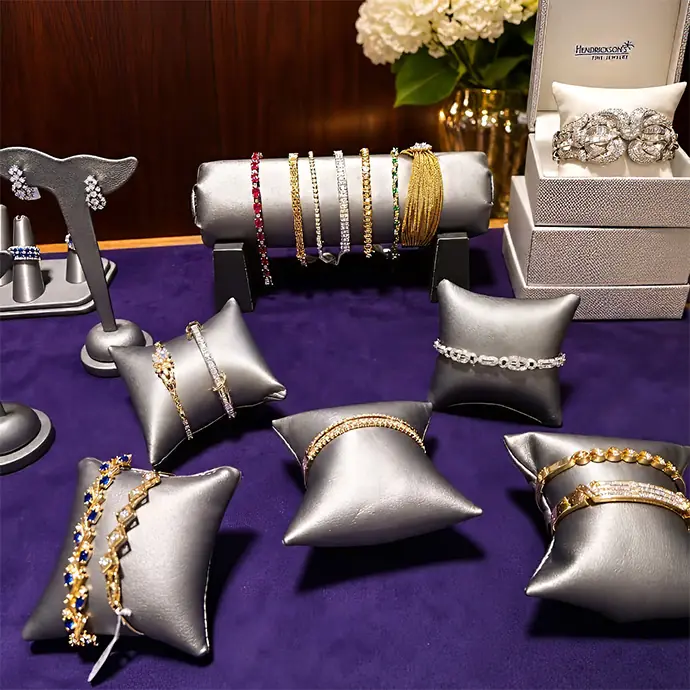
Sentimental Value Can't Be Replaced
Some jewelry carries memories that simply cannot be replaced.
- Perhaps it’s your grandmother’s wedding ring.
- Your engagement ring.
- A necklace received on your wedding day.
- A watch handed down through generations.
What Does Jewelry Insurance Usually Cover?
Policies vary, but many provide protection for situations including:
1. Theft
Whether stolen from your home, while traveling, or from your vehicle, theft is one of the most common reasons people file jewelry claims.
2. Accidental Loss
Some policies cover accidental loss, such as:
- A ring slipping off while swimming.
- Earrings falling out while traveling.
- A bracelet was lost while shopping.
Not every policy covers accidental loss, so review your coverage carefully before assuming it’s included.
3. Accidental Damage
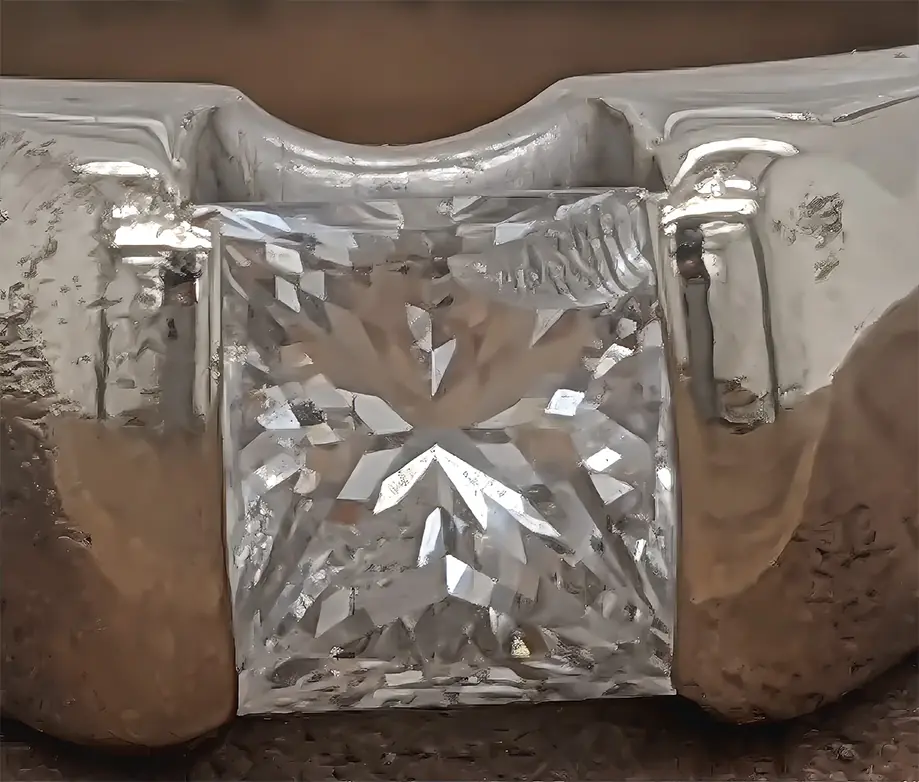
Jewelry is meant to be worn and enjoyed, but everyday life can take its toll. Gold is a relatively soft metal that naturally wears over time. Prongs can become worn or snag on clothing, allowing a diamond or gemstone to loosen and potentially fall out of its setting. Although diamonds are among the hardest natural materials on Earth, they are not indestructible. A hard enough impact can chip or even fracture a diamond, just as it can damage other gemstones.
Regular inspections by a trusted jeweler can often identify these issues before they result in expensive repairs or the loss of a valuable stone.
Coverage may include:
- Bent rings
- Broken chains
- Cracked gemstones
- Damaged settings
- Broken clasps
What Isn't Usually Covered?
Insurance policies are not designed to cover everything.
Common exclusions often include:
- Normal wear and tear
- Lack of maintenance
- Intentional damage
- Manufacturing defects
- Gradual deterioration
This is one reason regular inspections by a trusted jeweler are so important, since they can help catch issues before they become bigger problems.
Should You Update Your Jewelry Appraisal?
Yes, you should update your jewelry appraisal periodically. The value of precious metals and gemstones changes over time as market prices fluctuate. Gold prices can rise or fall, diamond values may shift, and certain colored gemstones can appreciate significantly. An appraisal completed ten years ago may no longer reflect your jewelry’s current replacement cost. Updating your appraisal every few years helps ensure your insurance coverage accurately reflects the value of your jewelry and helps protect you if you ever need to file a claim.
How Much Does Jewelry Insurance Cost?
Many people are surprised to learn that jewelry insurance is often affordable, especially when compared with the value it helps protect.
Premiums vary depending on:
- The value of your jewelry
- Your location
- The type of jewelry
- Coverage selected
- Deductible amount
According to NerdWallet, jewelry insurance typically costs 1% to 2% of the jewelry’s insured value per year. The actual premium depends on several factors, including the value of the jewelry, where you live, the deductible you choose, and the type of coverage selected. For example, insuring a piece valued at $2,500 may cost approximately $25 to $50 per year, while a $5,000 piece may cost approximately $50 to $100 per year. Jewelry valued at $10,000 could cost approximately $100 to $200 per year. These are general estimates, and actual premiums will vary by insurance provider and policy. https://www.nerdwallet.com/insurance/homeowners/learn/jewelry-insurance
Traveling With Jewelry
Summer vacations, cruises, destination weddings, and business trips often increase the chances of jewelry being misplaced or stolen. Before traveling, take a few simple precautions:
Before traveling:
- Photograph your jewelry.
- Pack only what you plan to wear.
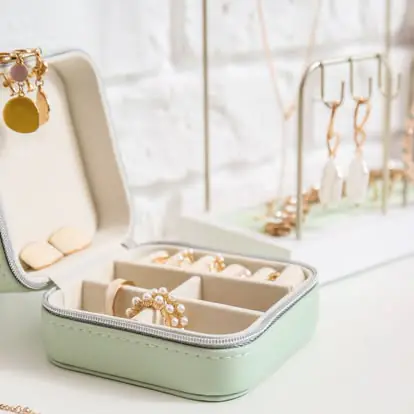
- Store jewelry in a secure travel case.
- Avoid leaving valuables unattended in hotel rooms.
- Confirm your insurance covers worldwide travel.
A little preparation can go a long way.
Keep Good Records
If you ever need to file an insurance claim, documentation is extremely helpful.
Keep copies of:
- Purchase receipts
- Jewelry appraisals
- Diamond or gemstone certificates
- Photographs
- Repair records
Store digital copies somewhere safe and separate from the jewelry itself.
Don't Forget Routine Maintenance
Insurance protects against unexpected events, but regular maintenance helps prevent many of them. In other words, routine care supports your coverage. If you own valuable jewelry, keep it inspected, maintained, and properly insured to help protect both its value and your peace of mind.
Professional inspections are able to identify:
- Loose diamonds or gemstones
- Worn prongs
- Weak clasps
- Thin ring shanks
- Damaged chains
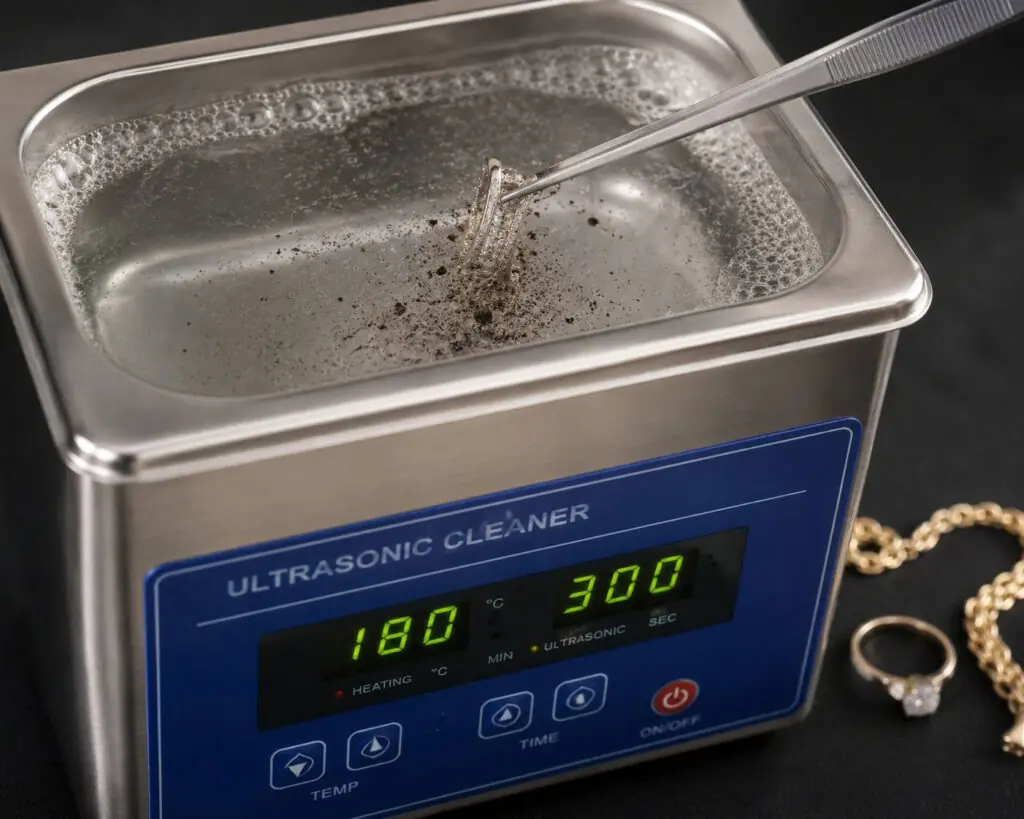
For jewelry worn regularly, an annual inspection is a smart investment.
Is Jewelry Insurance Worth It?
Ask yourself a few simple questions:
- Could I comfortably replace this piece tomorrow?
- Would losing it create financial hardship?
- Do I wear it frequently?
- Do I travel with it?
- Is it a treasured family heirloom?
- Has it been professionally appraised recently?
If you answered “yes” to several of these questions, jewelry insurance is worth considering. The main question is whether you could afford to replace the piece without hardship.
For many people, the annual premium is small compared to the cost of replacing a treasured piece.
How Hendrickson's Fine Jewelry Can Help
At Hendrickson’s Fine Jewelry, we understand that fine jewelry represents some of life’s most meaningful moments. Whether it’s an engagement ring, a family heirloom, or a special gift, protecting those pieces begins with proper care and accurate documentation.
While we don’t provide insurance policies, we do offer services that can help you protect your investment, including:
- Professional jewelry appraisals
- Expert jewelry inspections
- Jewelry repair and restoration
- Ring maintenance and prong tightening
- Professional cleaning
- Guidance on caring for your fine jewelry
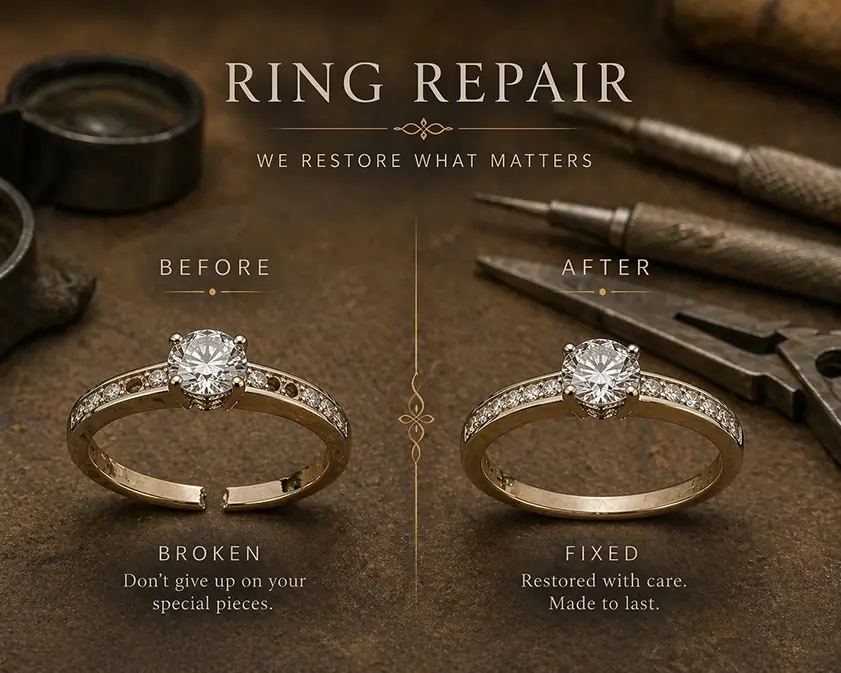
If you’re considering jewelry insurance, your first step is often a professional appraisal. We complete most appraisals within one to two business days after your jewelry is dropped off. We also recommend having your jewelry professionally inspected at least once a year to check for worn prongs, loose stones, and other signs of everyday wear.
If you’d like to have your jewelry appraised, please contact Hendrickson’s Fine Jewelry for current appraisal pricing or to schedule an appointment. Our experienced team is here to help you protect the pieces that matter most.
References
- National Association of Insurance Commissioners (NAIC). Learn How to Insure Expensive Jewelry and Gifts.
- Travelers Insurance. When Do I Need Extra Insurance for Jewelry and Other Valuable Items? NJM Insurance. How to Insure an Engagement or Wedding Ring.
- NerdWallet. Jewelry Insurance: What It Covers and How It Works.