Signs Your Ring Prongs Are Worn Down

Signs Your Ring Prongs Are Worn Down
Most people don’t think about their ring until something goes wrong.

It still sparkles. It still fits. You wear it every day, and nothing seems off. So it’s easy to assume everything is fine. But the reality is, most diamonds aren’t lost because of one big, dramatic moment. They’re lost slowly, over time, because of small changes that go unnoticed.
One of the most common causes? Worn-down prongs.
 
If you’ve had your ring for a few years or you wear it daily, this is something worth paying attention to. Not because you should worry, but because knowing what to look for can save you from losing something that’s both valuable and meaningful.

Why Prongs Matter More Than People Realize
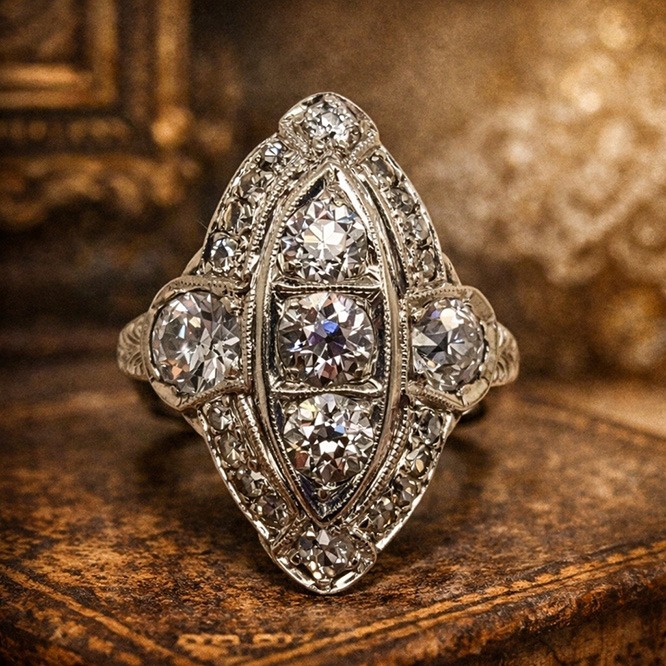
If you look closely at your ring, you’ll see small metal tips holding your diamond in place. Those are the prongs, and they’re doing all the work. They’re the only thing keeping your diamond secure.
 
Over time, those prongs naturally wear down. It doesn’t happen overnight, and that’s part of what makes it easy to miss. Everyday life: grabbing things, brushing against surfaces, and even normal hand movement create small amounts of friction. That friction slowly affects the metal.
 
According to Jewelers Mutual Insurance Group, worn or damaged settings are among the most common reasons diamonds are lost. It’s not usually a sudden failure. It’s a gradual wear that isn’t caught early.
What Happens If You Catch It Early

The Signs Are Subtle—But They’re There

You don’t need to be a jeweler to notice when something isn’t quite right. Most of the time, your ring will give you small clues.
 
One of the first things people notice is movement. It might be very slight. You tap your ring and feel something shift, or you hear a faint clicking sound. A diamond should never move in its setting, even a little. If it does, it means the prongs are no longer holding it tightly.
 
Sometimes the change is visual. Prongs that were once rounded and smooth may start to look thinner or sharper. That’s a sign they’ve worn down over time. As they lose their structure, they lose their ability to securely hold the stone.
 
Another common sign is snagging. If your ring catches on sweaters, towels, or even your hair, it’s usually because a prong has lifted slightly out of place. It might seem minor, but once a prong starts to lift, the setting becomes less stable.
 
You might also notice that the diamond doesn’t sit quite the same. If it looks even slightly tilted or off-center, that’s often a sign the prongs aren’t holding it evenly anymore. In some cases, you may even see small gaps between the diamond and the setting if you look closely.
These are all small changes—but they matter.

The Moment Most People Overlook

There’s one situation that almost everyone ignores.

You hit your ring on something.
Maybe it’s a countertop, a door, or a piece of equipment. You glance down, see that everything looks fine, and move on. But impact can loosen a setting instantly, even if there’s no visible damage.
 
The Gemological Institute of America recommends having jewelry checked periodically, as even minor impacts can affect its structure over time. So if your ring has taken a hit recently, it’s worth having it looked at, just to be safe.
Why This Matters for Everyday Wear

How Often Should You Have Your Ring Checked?

Most people wait until something feels wrong, but by then, the issue has usually progressed further than it needed to.

A better approach is simple prevention. If you wear your ring daily, having it inspected once or twice a year is a good habit. These inspections are quick and can catch early wear before it becomes a bigger problem.
 
At home, you can also do a quick check every now and then. Look at your ring, gently tap it, and notice how it feels. You’re not trying to diagnose anything—just paying attention. If something feels different, it’s worth getting it checked.

What Happens If You Catch It Early

The good news is that most prong issues are easy to fix when they’re caught early.

A jeweler can tighten the stone, rebuild worn prongs, or reinforce the setting. These are routine repairs that help restore the ring’s strength and protect the diamond.
 
According to the Jewelers of America, regular maintenance is one of the best ways to prevent stone loss and extend the life of fine jewelry.
In other words, a small fix now can prevent a much bigger problem later.

What Happens If You Don’t

This is the part most people don’t think about.
 
A loose diamond doesn’t stay loose forever. Eventually, it falls out. And when it does, it’s usually when you least expect it: while you’re out, traveling, at the gym, or somewhere you won’t be able to retrace your steps.
 
That’s why this matters. It’s not about being overly cautious. It’s about protecting something that likely carries both financial and emotional value.

Why This Matters for Everyday Wear

Rings go through a lot more than we realize. They’re exposed to pressure, movement, temperature changes, and constant contact with surfaces. And because you see your ring every day, it’s easy to miss gradual changes.
 
That’s why maintenance isn’t about fixing something broken. It’s about keeping something from breaking in the first place.

A Local Advantage Worth Using

If you’re in Boise or the Treasure Valley, one of the biggest advantages you have is access to Hendrickson’s Fine Jewelry, where inspections and jewelry repair are handled in-house by a trusted local team. Instead of sending your ring elsewhere, your piece is evaluated by experienced professionals who carefully examine the setting under magnification, checking for early signs of prong wear and structural issues.

With our in-house approach, you benefit from greater attention to detail, consistent quality, and clear communication throughout the process. It also means faster turnaround times and the confidence of knowing your jewelry never leaves our care.

Sometimes, a simple inspection is all it takes to catch a small issue early, protect your diamond, and give you lasting peace of mind.


The Bottom Line

Your ring is designed to last, but it’s not maintenance-free.
 
Most problems start small. And when you catch them early, they stay small.
 
If you’ve had your ring for a while, wear it daily, or just have a feeling something isn’t quite right, it’s worth taking a closer look. Because when it comes to something this important, a little attention now can make all the difference later.

Related Article