- Does it scratch easily?
- Will it keep stones secure over the years?
- Will it stay white?
- How much maintenance will it need?
The quick answer
(based on real wear over time)
If you want the most long-term toughness: Platinum
If you want the best balance of durability + budget: 14K Gold
If you want a bright white look and don’t mind upkeep: White Gold
If you want a warm, low-maintenance everyday metal: 14K Rose Gold
Platinum: “It ages like a luxury watch”
(patina and all)
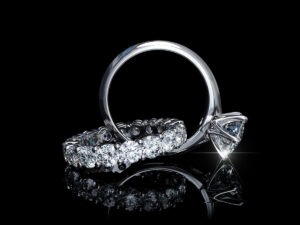
Platinum is naturally white. No plating needed.
Platinum is a tough, durable metal for everyday wear—especially for settings and prongs—but it isn’t the most scratch-resistant metal out there. Metals like titanium are harder and can resist scratching better, but platinum is prized for how securely it holds stones and how well it wears over time.
Platinum is usually best for:
- Engagement rings are worn daily
- People who are hard on their hands
- Anyone who wants a white metal without regular re-plating
Heads up:
- Platinum usually costs more up front
- It feels heavier (some love that, some don
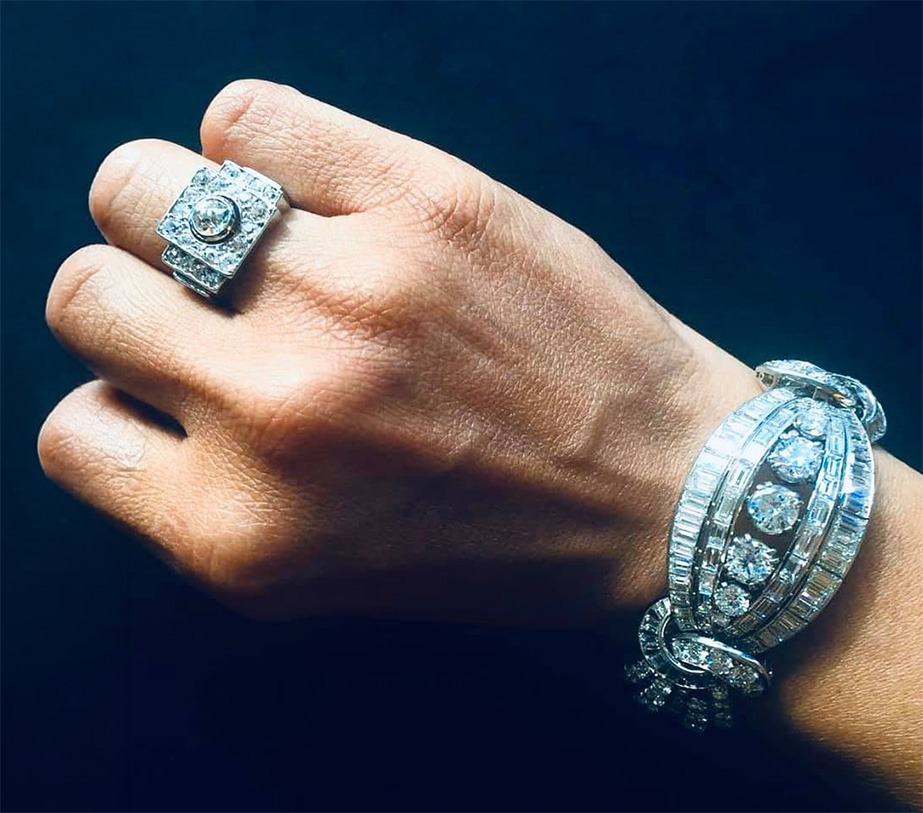
Platinum is also much rarer than gold, which is part of why it’s treated like a premium metal. The USGS notes platinum’s presence in Earth’s upper crust is extremely low (about 0.0005 ppm), and global production is far smaller than gold—gold is produced at roughly ~19× the volume of platinum.
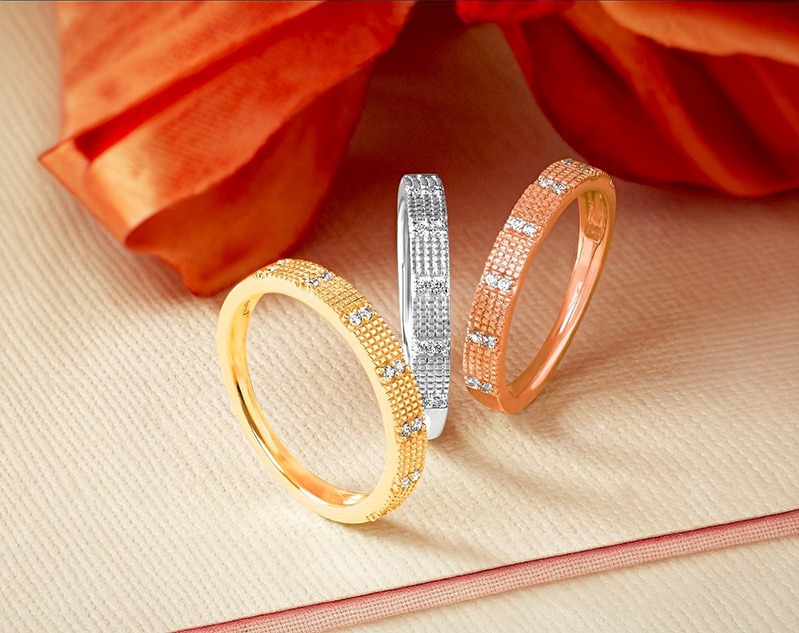
Yellow gold & rose gold:
classic, reliable, and low-fuss
- 24K = pure gold (too soft for most everyday rings)
- 18K = 75% gold
- 14K = 58.3% gold (more alloy, often more durable for daily wear)
Why yellow and rose gold are so easy to live with
- No rhodium plating to keep the color
- Normal wear just looks like… normal wear (little scratches happen, but they don’t feel dramatic)
- They age beautifully and are easy to maintain over time
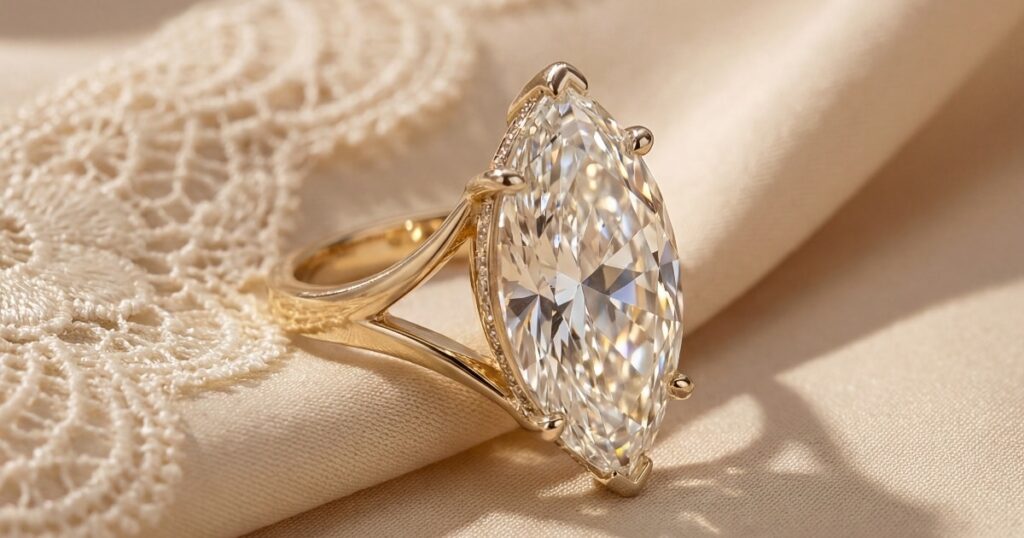
Where rose gold fits (and why people love it)
Gold is usually best for:
- People who love a warm metal (yellow or rose looks amazing on a lot of skin tones)
- Anyone who wants durability without platinum pricing
- Someone who wants a metal that’s easy long-term and doesn’t require rhodium upkeep
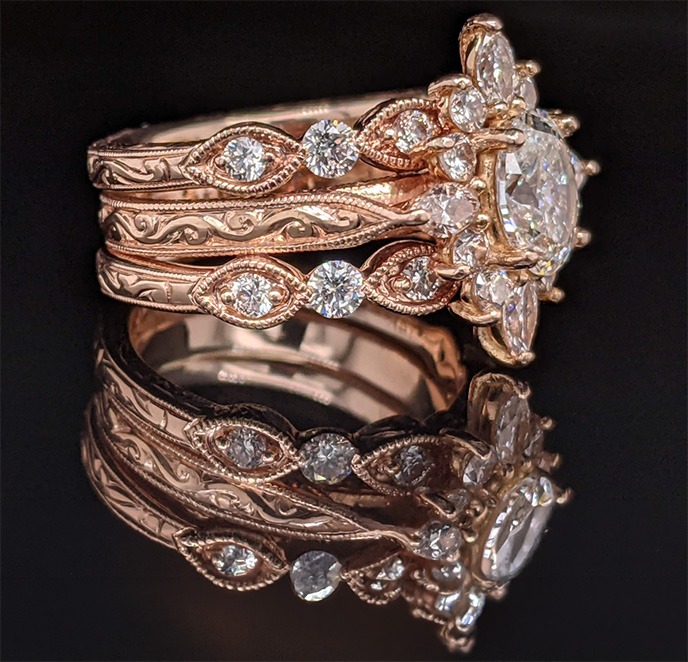
White gold: gorgeous… but it’s the “maintenance” option
White gold is usually best for:
- Someone who loves that crisp, bright white look
- People who are fine with doing occasional upkeep to refresh the finish
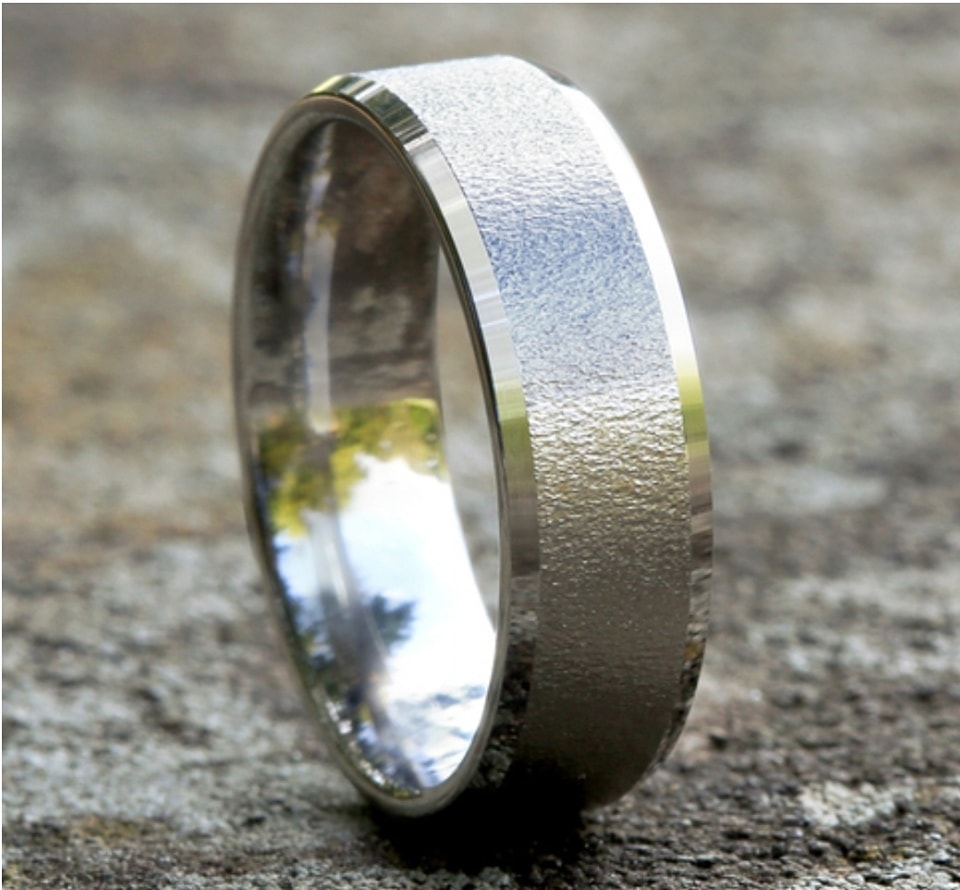
What I’d tell a friend choosing a forever ring
- Pick platinum if you want the most “set it and forget it” longevity in a white metal.
- Pick 14K gold if you want a strong, everyday ring with great value.
- Pick 14K rose gold if you want a warm, romantic look that’s low-maintenance (no plating).
- Pick white gold if you want the brightest white look and you’re okay with re-plating sometimes.
Ring design matters as much as metal
A super thin band or delicate prongs will wear faster, no matter what metal you choose. If this is an everyday ring, it’s worth asking about:
- prong thickness
- band width
- how high the setting sits (snag factor)
- lifestyle fit (work, gym, hobbies)
Cost matters too (and it’s not just the metal)
Ready to Choose the Metal That Fits Your Life?
FAQ
Does platinum scratch easily?
2) Is platinum stronger than gold?
3) Is 14K or 18K gold better for everyday wear?
4) Will white gold turn yellow over time?
5) How often does white gold need rhodium plating?
6) Which metal is best for sensitive skin?
7) What metal holds diamonds the safest long-term?
8) What’s the lowest-maintenance option?
9) Which looks the whitest: platinum or white gold?
10) What matters more—metal choice or ring design?
References
- Federal Trade Commission (FTC) – Consumer Advice: “Buying Platinum, Gold, and Silver Jewelry.”
- GIA (Gemological Institute of America) – 4Cs Blog: “The Best Ring Material for Everyday Wear.”
- World Gold Council: “Gold Jewellery: Colour, Carat & Purity.”
- Encyclopaedia Britannica — Platinum (chemical element)
- World Gold Council — “Is Gold Jewellery A Good Investment?”
- GIA — White Metal Options for Your Engagement Ring (explains white gold alloys + typical composition, and compares white metals) “Choosing Between White Gold, Platinum, Palladium and Silver.”