
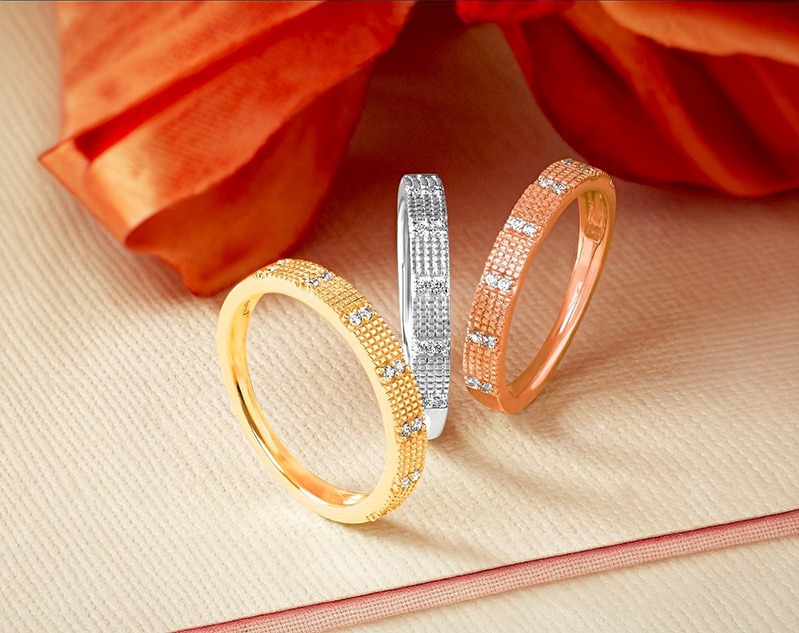
Which Metal Holds Up Best Over Time? Yellow Gold, Platinum, White Gold, Rose Gold

Gold vs. Platinum vs. White Gold vs Rose Gold- Which Metal Holds Up Best Over Time?
If you’re shopping for a ring you’ll wear a lot (like an engagement ring or everyday band), the metal choice matters more than people think. Not because one is “good” and the others are “bad”… but because they wear differently.

And “holds up best” can mean a few things:
  • Does it scratch easily?
  • Will it keep stones secure over the years?
  • Will it stay white?
  • How much maintenance will it need?
 
Let’s make it simple.

The quick answer
(based on real wear over time)

If you want the most long-term toughness: Platinum

Platinum is super dense and durable, and it’s known for holding stones securely for decades. When it gets scratched, the metal tends to move/displace rather than chip away, which is one reason it’s considered a great choice for daily wear.

If you want the best balance of durability + budget: 14K Gold

Gold used in fine jewelry is an alloy (mixed with other metals for strength). 14K has more alloy content than 18K, which generally makes it a stronger everyday-wear choice.

If you want a bright white look and don’t mind upkeep: White Gold

White gold often gets its bright white “mirror” look from rhodium plating. That plating can wear down over time, and it may need to be refreshed depending on how often you wear it. The FTC specifically highlights the importance of disclosing rhodium plating in marketing/labeling because it’s a surface coating.

If you want a warm, low-maintenance everyday metal: 14K Rose Gold

Rose gold is real gold mixed with copper (and sometimes a little silver), which gives it that blush tone. Because it’s an alloy, 14K rose gold tends to hold up really well for daily wear, and the color is built into the metal—so it won’t wear off like plating. It’s a great option if you want something durable, romantic, and “set it and forget it.”

Platinum: “It ages like a luxury watch”
(patina and all)

Platinum is naturally white. No plating needed.

Over time, most platinum rings develop a softer, satiny finish called a patina. Some people love that look because it feels elegant and lived-in. If you want it shiny again, it can be polished.
 

Platinum is a tough, durable metal for everyday wear—especially for settings and prongs—but it isn’t the most scratch-resistant metal out there. Metals like titanium are harder and can resist scratching better, but platinum is prized for how securely it holds stones and how well it wears over time.

Platinum is usually best for:

  • Engagement rings are worn daily
  • People who are hard on their hands
  • Anyone who wants a white metal without regular re-plating

Heads up:

  • Platinum usually costs more up front
  • It feels heavier (some love that, some don
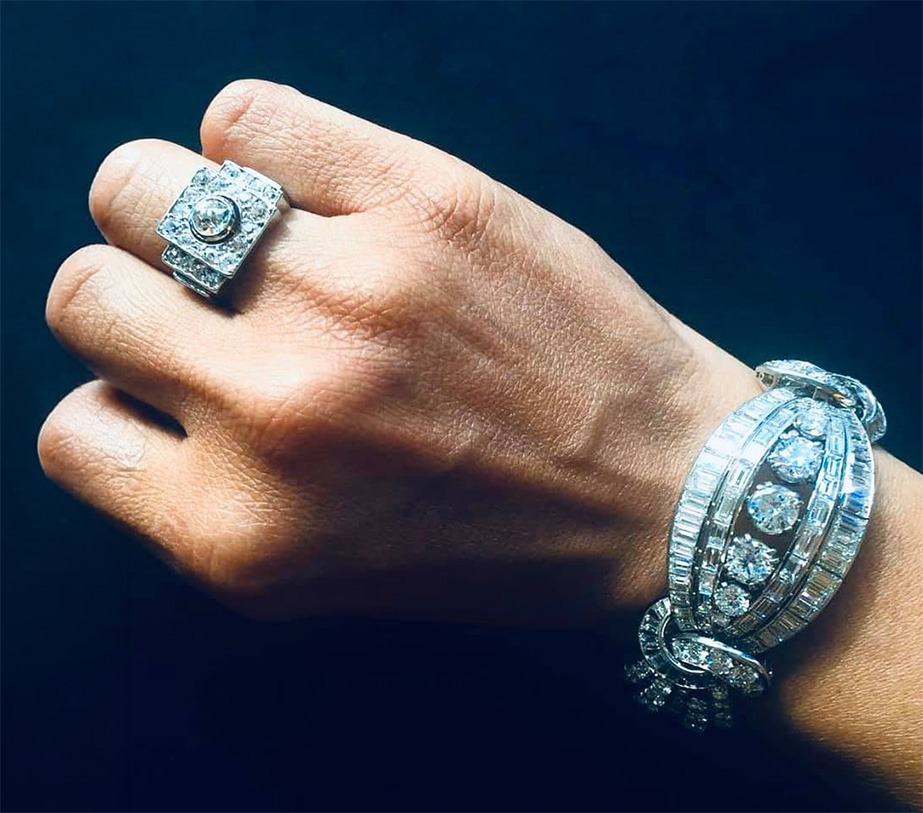
platinum ring and bracelet

Platinum is also much rarer than gold, which is part of why it’s treated like a premium metal. The USGS notes platinum’s presence in Earth’s upper crust is extremely low (about 0.0005 ppm), and global production is far smaller than gold—gold is produced at roughly ~19× the volume of platinum.

Yellow gold & rose gold:
classic, reliable, and low-fuss

Gold is measured in karats—basically, how much pure gold is in the mix.
  • 24K = pure gold (too soft for most everyday rings)
  • 18K = 75% gold
  • 14K = 58.3% gold (more alloy, often more durable for daily wear)
  •  

Why yellow and rose gold are so easy to live with

Yellow and rose gold are “low-fuss” favorites because their color is the metal itself—it isn’t relying on a surface coating to stay the same. That means:
 
  • No rhodium plating to keep the color
  • Normal wear just looks like… normal wear (little scratches happen, but they don’t feel dramatic)
  • They age beautifully and are easy to maintain over time
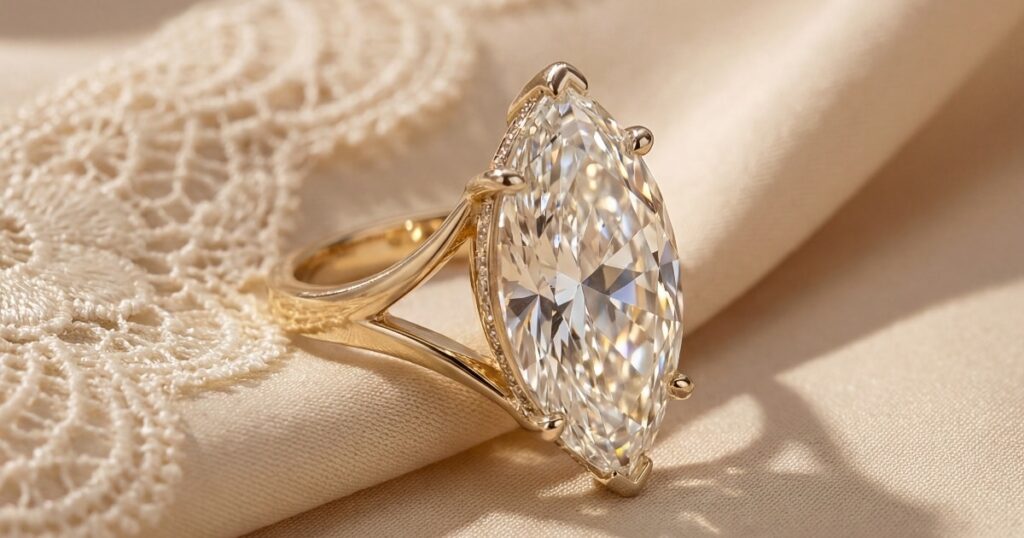
Where rose gold fits (and why people love it)

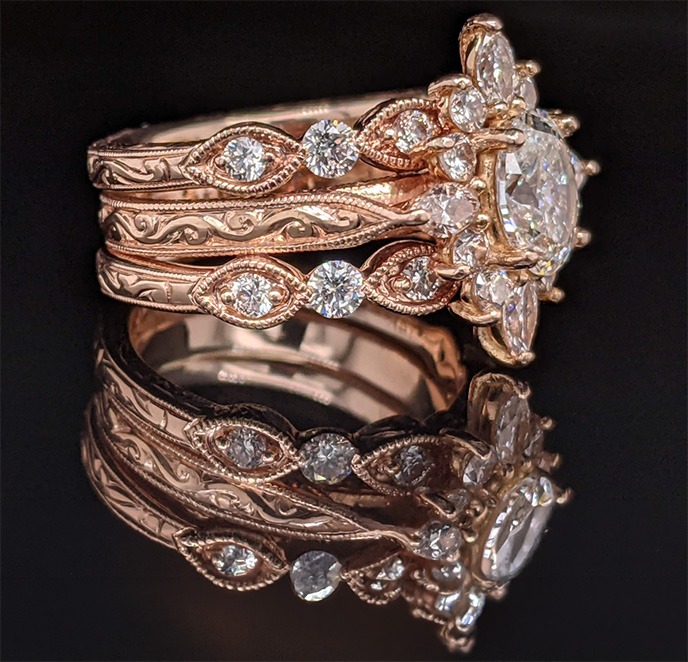
Rose gold gets its blush tone from copper in the alloy, which is also part of why it tends to hold up so well. If you want something warm and romantic but a little softer than yellow gold, rose gold is a gorgeous middle ground—and it’s a great everyday choice because the color won’t “wear off.”

Gold is usually best for:

  • People who love a warm metal (yellow or rose looks amazing on a lot of skin tones)
  • Anyone who wants durability without platinum pricing
  • Someone who wants a metal that’s easy long-term and doesn’t require rhodium upkeep
Skin sensitivity note: If you have sensitive skin—especially a known nickel or copper sensitivity—it’s worth mentioning that to your jeweler. Rose gold contains copper, and some white gold alloys may contain nickel, which can irritate certain people. In those cases, you may prefer platinum or nickel-free white gold options.

White gold: gorgeous… but it’s the “maintenance” option

White gold is real gold, but it’s mixed with other metals to shift the color, and it’s often finished with rhodium plating to get that bright white look.

If you wear it daily, that rhodium can wear down over time (how fast depends on your skin chemistry, lifestyle, and how rough you are on your hands). When it fades, the ring can look slightly warmer underneath—and that’s when people choose to re-plate.

The FTC’s jewelry guidance highlights rhodium as a surface application that should be disclosed—because it’s not the same as the base metal itself.

White gold is usually best for:

  • Someone who loves that crisp, bright white look
  • People who are fine with doing occasional upkeep to refresh the finish
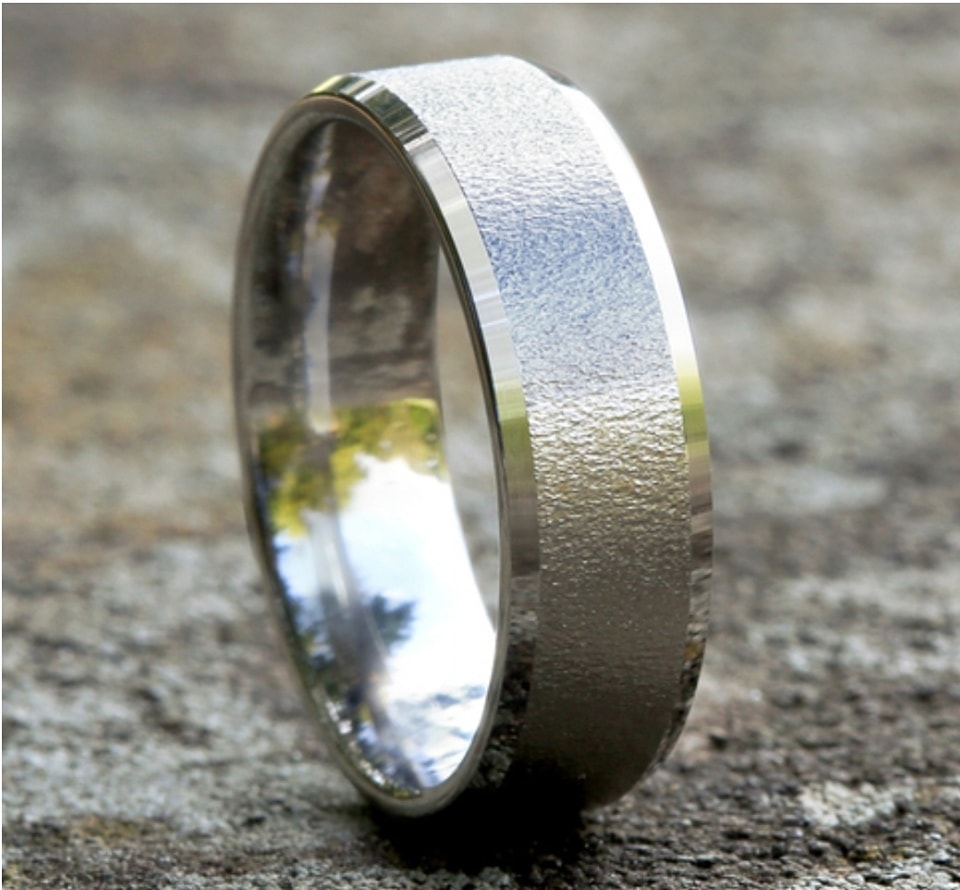
White Gold Ring

What I’d tell a friend choosing a forever ring

If you’re not sure, here’s an easy way to decide:

  • Pick platinum if you want the most “set it and forget it” longevity in a white metal.
  • Pick 14K gold if you want a strong, everyday ring with great value.
  • Pick 14K rose gold if you want a warm, romantic look that’s low-maintenance (no plating).
  • Pick white gold if you want the brightest white look and you’re okay with re-plating sometimes.
 
Quick sensitivity note: If you have sensitive skin, ask about nickel-free white gold (and if you’re copper-sensitive, rose gold may not be your best match).

Ring design matters as much as metal

A super thin band or delicate prongs will wear faster, no matter what metal you choose. If this is an everyday ring, it’s worth asking about:

  • prong thickness
  • band width
  • how high the setting sits (snag factor)
  • lifestyle fit (work, gym, hobbies)
 
GIA talks about choosing ring materials with everyday wear in mind—because durability is about the whole package, not just the metal name.

Cost matters too (and it’s not just the metal)

One more thing people don’t always realize: the final cost difference isn’t only about whether you pick platinum, gold, or white gold. The current market price of the metal plays a role, but so do the details that actually take time and skill—like the setting style, thickness of the band, number of stones, and the craftsmanship needed to build (and maintain) a secure ring. That’s why two rings can look similar online, but price out very differently in real life. The best approach is to choose the metal that fits your lifestyle first, then compare a few options in person so you can see what feels right—both on your hand and in your budget.

Ready to Choose the Metal That Fits Your Life?

If you’re choosing between gold, platinum, and white gold, the “best” metal is the one that matches your real life—how often you wear it, what you do with your hands, and how much maintenance you want down the road. If you’d like a second opinion (or you’re narrowing it down to two options), stop by Hendrickson’s Fine Jewelry and let our team help you compare metals side-by-side, discuss durability and upkeep, and choose a piece that will look beautiful and hold up for years. Whether you’re shopping for an engagement ring, wedding band, or an everyday favorite, we’ll help you feel confident in your choice—no pressure, just honest guidance.

FAQ

Does platinum scratch easily?
Platinum does scratch over time—just like any precious metal—but it typically develops a soft, matte “patina” rather than looking damaged. Many people love that look, and it can always be polished back to a brighter finish.
Platinum is denser and is known for long-term durability—especially for prongs and settings. Gold can also be very durable (especially 14K), but the “best” choice depends on your lifestyle and the ring design.
 
For most people, 14K gold is the everyday-wear favorite because it has a higher percentage of alloy metals mixed in, which generally makes it more resistant to wear than 18K. 18K has a richer gold color, but it’s typically a bit softer.
 
White gold doesn’t “turn yellow” exactly—but the bright white finish you see is often rhodium plating, and that plating can wear down over time. When it fades, the underlying white-gold alloy can look slightly warmer until it’s re-plated.
It depends on the person (skin chemistry and how hard you are on your hands matters), but many people refresh rhodium plating every 1–2 years for daily-wear rings. Some can go longer, and some prefer refreshing sooner to keep that bright-white look.
6) Which metal is best for sensitive skin?
Many people with sensitive skin do well with platinum because it’s typically very hypoallergenic. Some gold alloys can irritate certain people depending on the mix (for example, if someone is sensitive to nickel—though many jewelers use nickel-free alloys).
Both platinum and gold can be very secure when the setting is made well, but platinum is often chosen for prongs because of its density and long-term wear characteristics.
If you want a white metal without regular re-plating, platinum is usually the lowest-maintenance. If you prefer warm tones, yellow gold or rose gold are also low-maintenance because their color isn’t dependent on plating.
Freshly plated white gold can look extremely bright and reflective. Platinum is naturally white, but it can develop a softer patina with wear. If you love a super bright white look at all times, white gold may require occasional re-plating to maintain it.
Both matter, but design is huge. Thin bands and delicate prongs wear faster, no matter what metal you choose. If you’re wearing your ring daily, a well-built setting in the right metal is the best long-term combo.

References

  1. Federal Trade Commission (FTC) – Consumer Advice: “Buying Platinum, Gold, and Silver Jewelry.”
  2. GIA (Gemological Institute of America) – 4Cs Blog: “The Best Ring Material for Everyday Wear.”
  3. World Gold Council: “Gold Jewellery: Colour, Carat & Purity.”
  4. Encyclopaedia Britannica — Platinum (chemical element)
  5. World Gold Council — “Is Gold Jewellery A Good Investment?”
  6. GIA — White Metal Options for Your Engagement Ring (explains white gold alloys + typical composition, and compares white metals) “Choosing Between White Gold, Platinum, Palladium and Silver.”

Related Article